Quick Answer
In one sentence: A video doorbell is an excellent device for the front door and a poor substitute for a security system, because it covers one entry point, alerts only you, and cannot summon help.
The longer answer: These two things get compared as though they're alternatives, but they solve different problems. A doorbell handles the front door: deliveries, visitors, and a record of who came by. A security system covers all your entry points and, if monitored, brings a response when nobody's home to act. The honest answer for most households is not one or the other, it's which one your situation calls for first. This guide gives you the numbers to decide.
Key Takeaways
- Entry-point research indicates roughly 34% of break-ins come through the front door, so a doorbell covers about a third of the risk.
- First-floor windows and back doors account for roughly 45% between them, and a doorbell sees none of it.
- A doorbell alerts your phone. It does not dispatch anyone, which matters most when you cannot respond.
- Standalone doorbells generally do not qualify for the insurance discounts tied to monitored systems.
- Most consumer doorbells stop working when the internet goes down; monitored systems typically include cellular backup.
Video doorbells are among the most popular home security purchases in America, and for good reason. They're inexpensive, install in an afternoon, and solve an everyday annoyance. The problem is that a lot of people buy one and quietly conclude the security question is now handled. It isn't, and the reason is easy to quantify. If you've read how burglars choose which homes to target, the numbers below will look familiar.
The Coverage Gap, in Numbers
Most articles say a doorbell offers limited coverage. That's true but vague, and the research lets us be specific. Published entry-point analysis from the University of North Carolina and the International Association of Certified Home Inspectors indicates that roughly 34 percent of burglars enter through the front door, about 23 percent through first-floor windows, and around 22 percent through the back door.
What that means for a doorbell
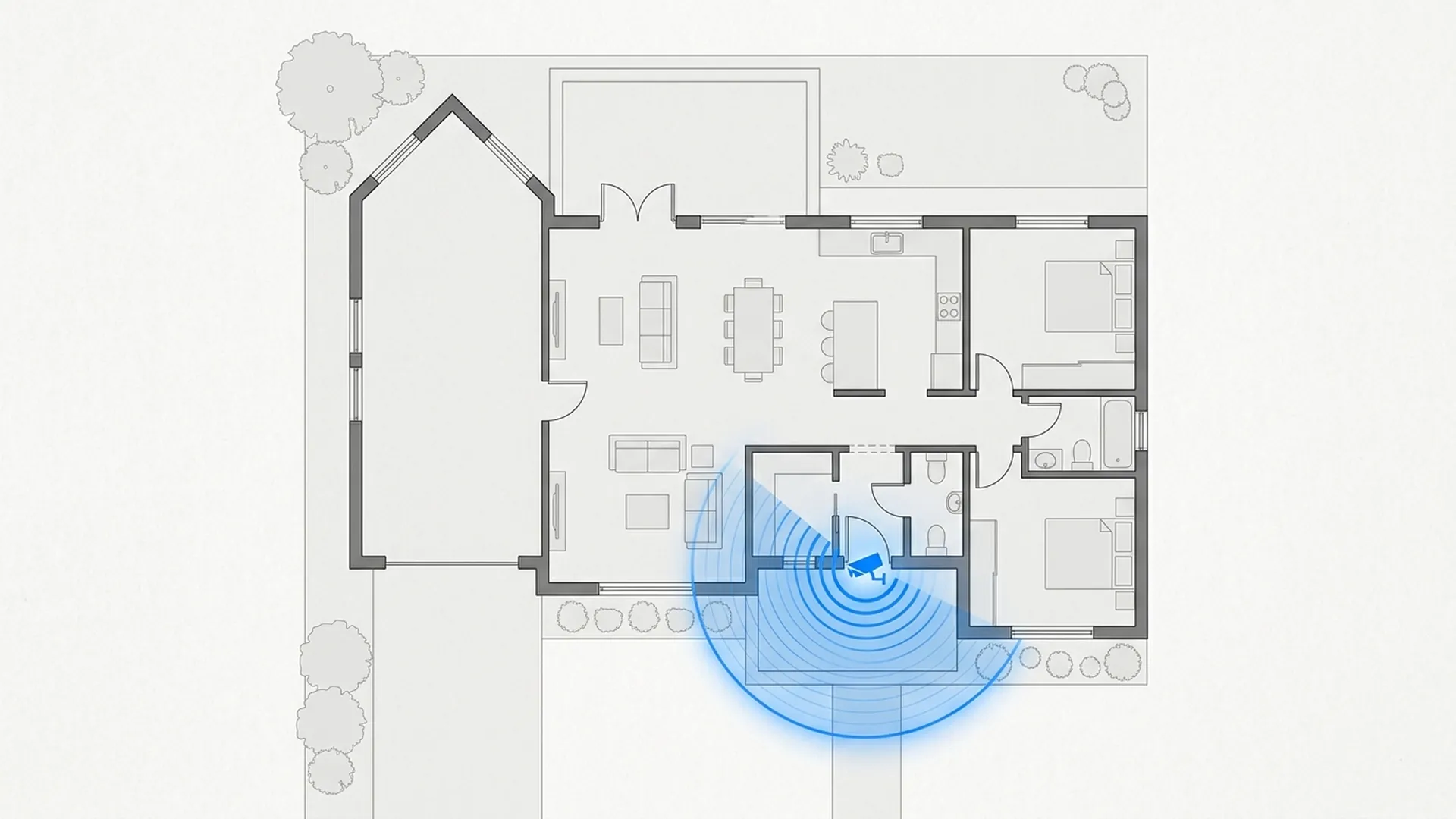
A video doorbell watches the front door. On those figures it has visibility on roughly a third of entry attempts, and none at all on the back door or first-floor windows, which together account for around 45 percent.
Put plainly: the single most likely way into your home is covered, and the next two most likely ways are not. Security guidance makes the same point qualitatively, noting a doorbell monitors one entry point and leaves back doors, windows, side entrances, and interior spaces unprotected.
There's a second-order effect worth noting. A doorbell is externally mounted and easy to spot, so someone who has already decided to try your house can simply approach from a side the doorbell doesn't see. Visible deterrence is real, and it's also easy to route around when it only exists in one place.
Seeing It Is Not the Same as Responding to It
This is the gap that matters more than coverage, and it's the one people notice last.
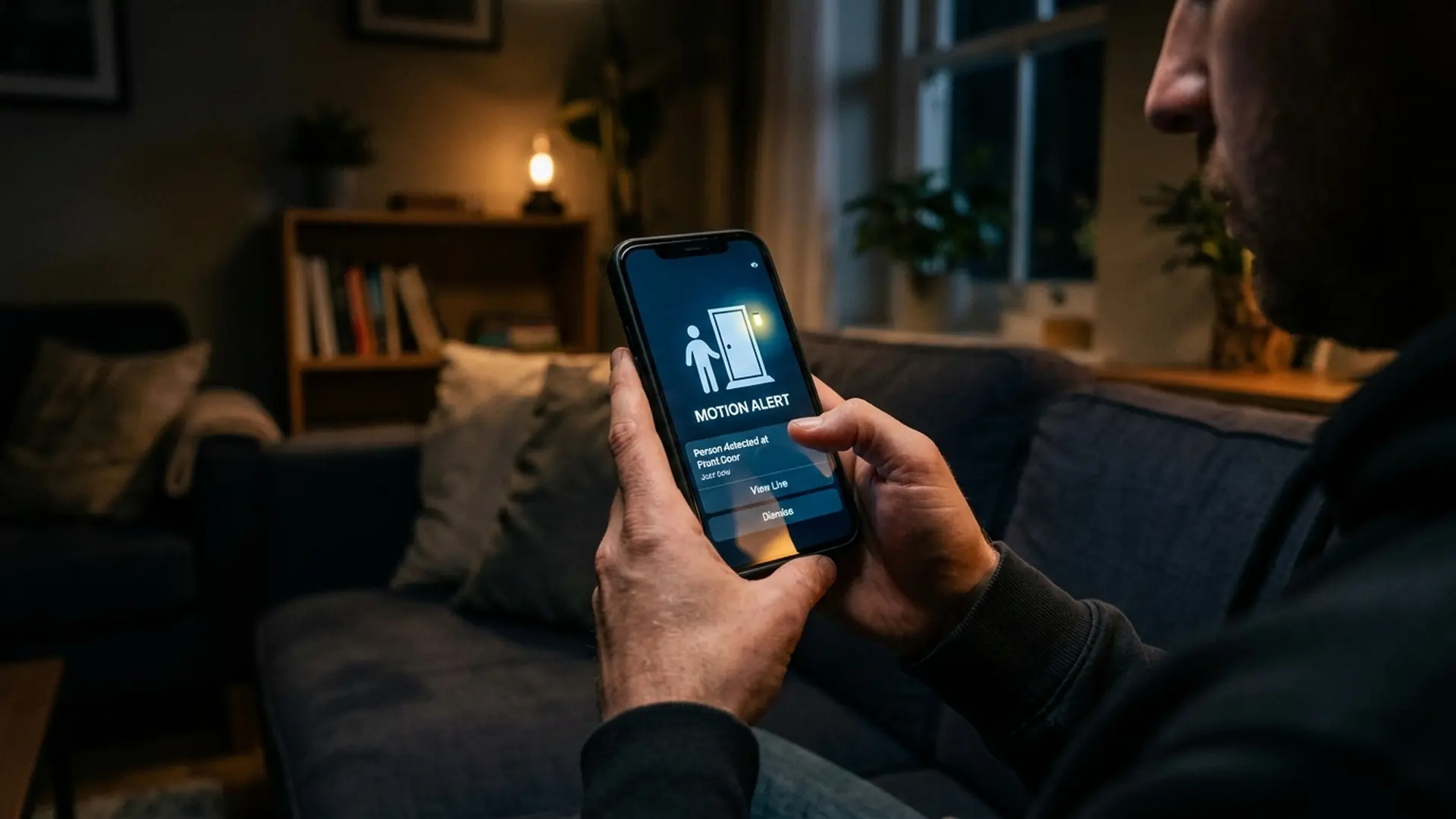
A doorbell sends an alert to your phone. That works well when you're available to look at it. Now run through the times you're not: in a meeting, driving, asleep, at a movie, phone on silent, phone in another room, or somewhere with no signal. In each of those cases the alert fires and nothing follows.
A monitored security system closes that loop without you. When an alarm triggers, a central station receives the signal and follows a verification and dispatch process, which our guide to 24/7 professional monitoring walks through step by step. Security professionals put it bluntly: a doorbell camera records and alerts, but it does not dispatch police.
So the real question isn't whether you'd like to see what happened. It's what you want to happen at two in the afternoon on a weekday when nobody is home and nobody is looking at a phone.
Four Things a Doorbell Cannot Do
Beyond coverage, four specific limitations come up repeatedly in professional analysis. None of them are secrets, but they rarely appear on the box.
- Summon help. There's no dispatch path. Alerts go to your phone and stop there. Everything after that depends on you seeing the alert and deciding what to do.
- Earn an insurance discount. Security industry guidance notes that homeowner discounts generally require a professionally installed and monitored alarm system, not a standalone doorbell camera. Terms vary by insurer, so confirm with yours, but do not assume a doorbell qualifies.
- Keep working when the internet drops. Most consumer doorbells depend on Wi-Fi, and stop functioning if the connection goes down. Monitored systems typically include cellular backup for exactly this reason. Some doorbells now offer cellular options, so check the specification rather than assuming either way.
- Cover anything but the front. One device, one viewpoint. Back doors, side entrances, windows, and interior spaces are all outside its field of view.
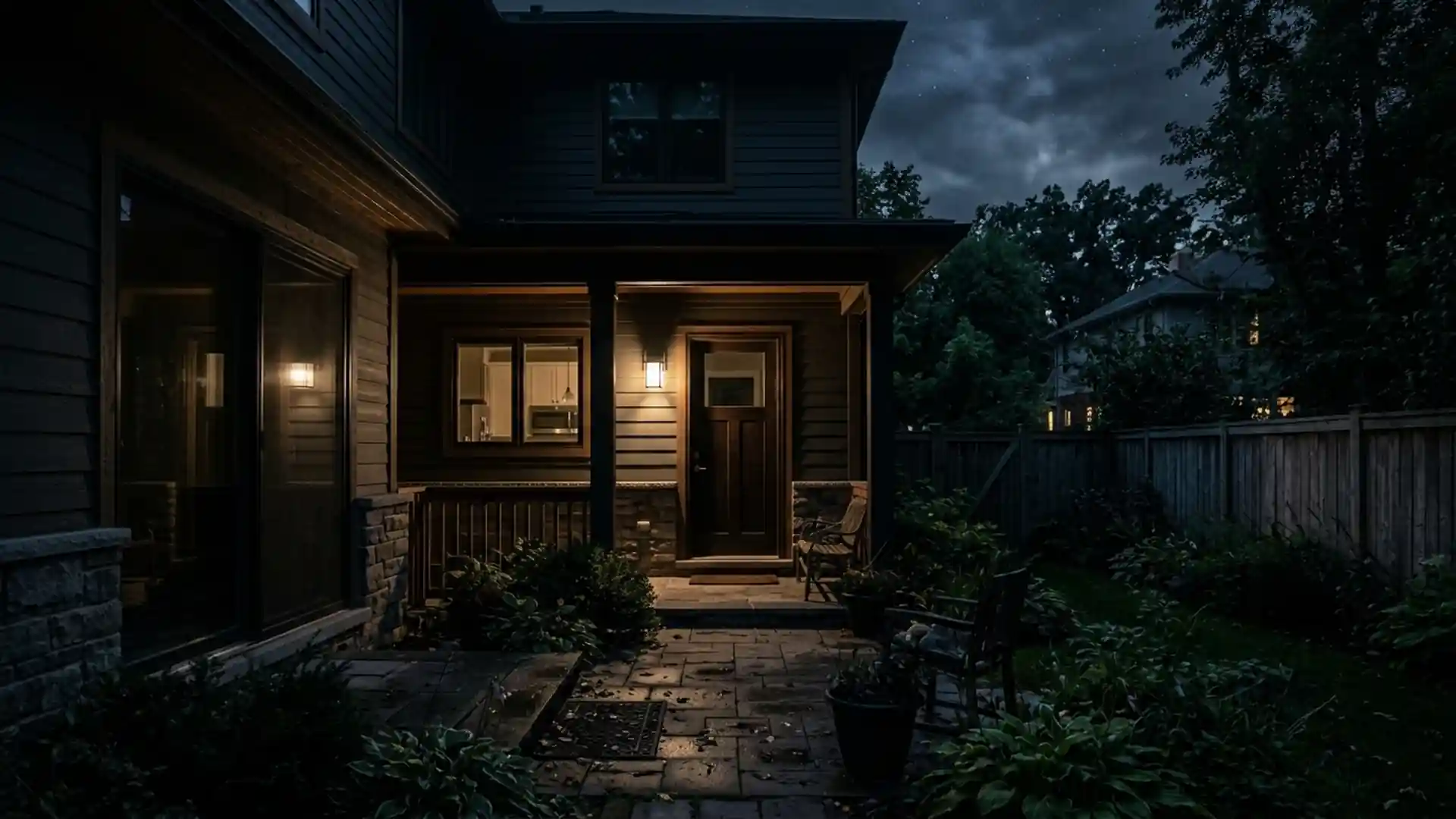
Not sure which one your home needs first?
Our advisors look at your actual entry points and daily routine, then recommend the smallest setup that covers the real gap. Free consultation, no pressure.
Call (855) 248-8052 or request a free quote online.What a Doorbell Genuinely Does Better
It would be easy to write this comparison as a long argument for spending more. That wouldn't be honest, because there are jobs a doorbell does better than any alarm system, and for a lot of households those jobs come up daily.
- Screening visitors without opening the door, from anywhere
- Watching and documenting deliveries, which an alarm panel does not address at all
- Deterring opportunistic package theft, where a visible camera at the point of theft is exactly the right tool
- Speaking to someone at the door remotely, useful for deliveries, tradespeople, and unexpected callers
- Costing far less upfront, typically reported around $100 to $300, with no monitoring commitment
If your actual concern is packages rather than break-ins, the doorbell is the correct purchase and a security system would be the wrong answer. Our guide to preventing package theft covers that case properly.
Side by Side
The honest comparison, with each doing what it was designed to do.
| Factor | Video doorbell | Monitored security system |
|---|---|---|
| Entry points covered | Front door only | All doors and windows you fit sensors to |
| What happens on an alert | Notification to your phone | Central station verifies and dispatches |
| If you miss the alert | Nothing follows | Response proceeds without you |
| Internet outage | Usually stops working | Cellular backup typically included |
| Insurance discount | Generally not eligible | Commonly eligible, varies by insurer |
| Upfront cost | Reported around $100 to $300 | Higher, varies widely by setup |
| Ongoing cost | Optional cloud storage subscription | Monthly monitoring fee |
| Deliveries and visitors | Excellent, its core strength | Not addressed |
| Interior coverage | None | Motion sensors and indoor cameras |
So Which Should You Buy First?
Match your actual concern
- Packages and visitors are your main concern. Buy the doorbell. It is the right tool and a system would not solve this better.
- You are often out during the day, or travel. Prioritize a monitored system. The gap you need to close is what happens when nobody is home to see an alert.
- You have a budget for one thing and a back door that opens onto an alley or a quiet yard. Start with entry sensors and monitoring, since that is where the uncovered risk sits.
- You already have a doorbell and are wondering what to add. Sensors on the back door and accessible ground-floor windows, then monitoring.
- You want the full picture. Both, and many systems integrate a doorbell so it all runs through one app.
The one thing not to do is buy a doorbell and consider the question closed. That is the mistake this whole comparison exists to prevent.
If you're starting from nothing, our guide to buying your first system covers how to work out your entry-point count before you shop for anything.
Frequently Asked Questions
Is a video doorbell enough for home security?
Not on its own. It covers the front door, which entry-point research links to about a third of break-ins, and leaves back doors and first-floor windows unwatched. It also cannot summon help.
Does a video doorbell replace a security system?
No. They solve different problems. A doorbell records and alerts you about the front door. A monitored system covers multiple entry points and brings a response when you cannot act yourself.
Do video doorbells deter burglars?
Visible cameras do discourage opportunistic behavior, and a doorbell is genuinely effective against package theft. Its limitation is location: someone can approach from a side the doorbell does not see.
Does a doorbell camera qualify for a home insurance discount?
Usually not. Industry guidance indicates discounts generally require a professionally installed and monitored alarm system rather than a standalone camera. Terms vary by insurer, so confirm with yours before assuming.
Do video doorbells work if the internet goes down?
Most consumer models do not, since they depend on Wi-Fi. Monitored systems typically include cellular backup. Some doorbells now offer cellular options, so check the specification for the model you are considering.
What does a video doorbell cost?
Reported pricing commonly runs around $100 to $300 upfront. Cloud video storage is often a separate subscription, though some models record locally to a card instead, which avoids the recurring fee.
Should I get a doorbell or cameras first?
It depends on your concern. For deliveries and visitors, the doorbell. For actual break-in risk, cover the back door and accessible windows first, since those account for a large share of entries.
Can a video doorbell be integrated with a security system?
Often yes. Many systems support a doorbell as one component, so alerts, footage, and alarm functions run through a single app. Compatibility varies, so confirm before buying separately.
Can someone disable a video doorbell?
It is externally mounted and easy to spot, so it is more exposed than equipment inside the home. Its effectiveness also depends on correct positioning, settings, and a reliable Wi-Fi connection.
I already have a doorbell. What should I add next?
Sensors on the back door and accessible ground-floor windows, since those are the entry points your doorbell cannot see. Add monitoring if you are frequently away or unable to respond to alerts.
Related Reading
- What is 24/7 Professional Monitoring, and Is It Worth It?
- How Do Burglars Actually Choose Which Homes to Break Into?
- How to Prevent Package Theft During the Holidays
- Buying Your First Home Security System
Explore our services:
- Security Cameras & Doorbell Cameras
- Door, Window & Motion Sensors
- 24/7 Professional Monitoring
- Home Security Overview
Get a Second Opinion, Free
A doorbell is a good purchase. It is just not the whole answer, and knowing the difference is worth more than any single device.
Home Secure Connect is an independent home security advisor. We help homeowners across the USA work out which gap actually needs closing first, then compare options across our trusted provider partners. Free consultation. No obligation. No pressure.
Call (855) 248-8052 or Request a Free QuoteAvailable Mon to Fri, 10am to 8pm ET.
Trending This Week
What to Do When Your Security System Sends a Fals…
September 30, 2026 · About 9 min read
Home Security for Apartments and Rentals: What Ac…
September 28, 2026 · About 9 min read
Smart Locks vs Traditional Deadbolts: Which Actua…
September 23, 2026 · About 8 min read