Prepaid & No-Contract Cell Phone Plans: Same Networks, Better Prices
Modern prepaid plans use the same networks as major carriers, at roughly half the monthly cost. No credit checks. No contracts. Multi-month options that save even more. We help you find the right prepaid or no-contract plan for your usage, coverage area, and budget, honestly.
Prepaid isn't what it used to be. Same networks, better prices, no contracts.
The old idea about prepaid cell phone plans (poor coverage, cheap phones, second-tier service) is fifteen years out of date. Modern prepaid plans run on the same networks as the major carriers: the towers, the 5G, the coverage maps are identical. The difference is who bills you and how much they charge. Prepaid providers, most of which are MVNOs (Mobile Virtual Network Operators that lease access to the major carrier networks), skip the retail stores, the advertising budgets, and the customer acquisition costs that big carriers pass on to postpaid customers. The savings get passed to you instead.
For a lot of households, prepaid or no-contract plans deliver the same coverage they already have at 30 to 60 percent less per month. For others, postpaid still makes more sense because of specific features (device financing, family plan structures, premium data priority). This page walks through both honestly so you can decide.

Why Prepaid Actually Changed
Three things that make modern prepaid genuinely different from the prepaid your parents used.
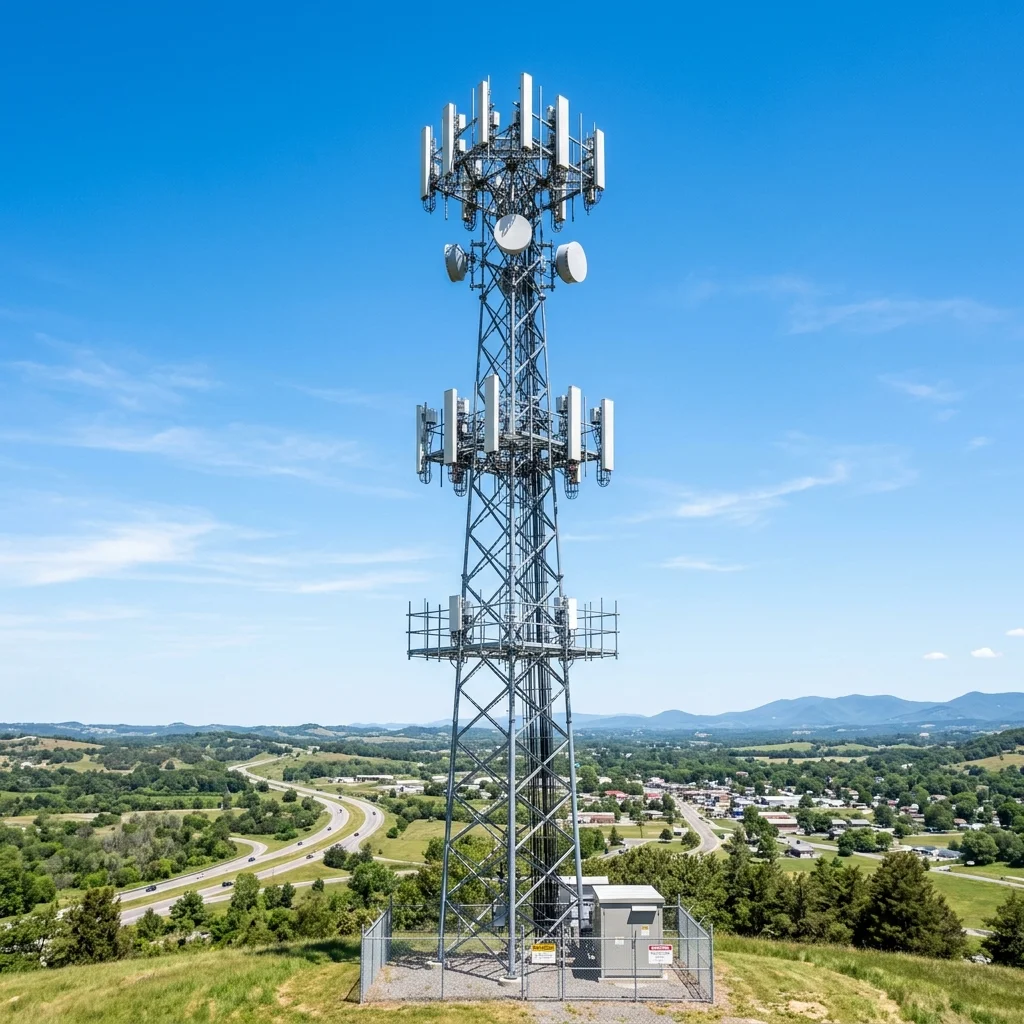
Same networks, same coverage
Every prepaid provider in the US runs on one of the major carrier networks. MVNOs use the towers, the 5G spectrum, and the coverage of the major carriers directly. If you have coverage where you live today on a postpaid plan, you'll have the same coverage on a prepaid plan that runs on the same network.
No credit check, no contract, no surprises
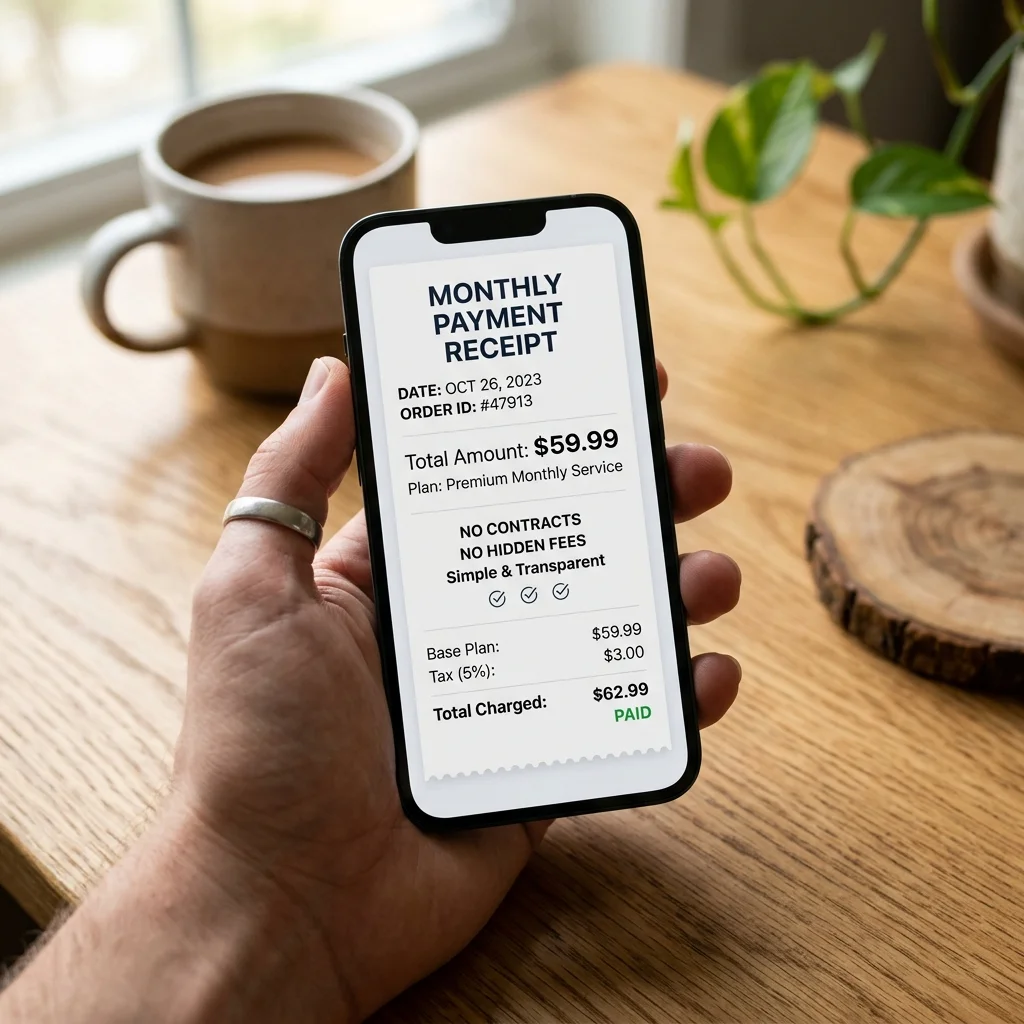
Prepaid plans skip the credit check entirely (there's no financing to underwrite because you pay upfront). Skip the contract entirely (you can leave any time). And skip the surprise bill fluctuations (the monthly price is the monthly price). For anyone with credit concerns, or anyone who values flexibility, this is a real advantage.
BYOD standard, activation instant
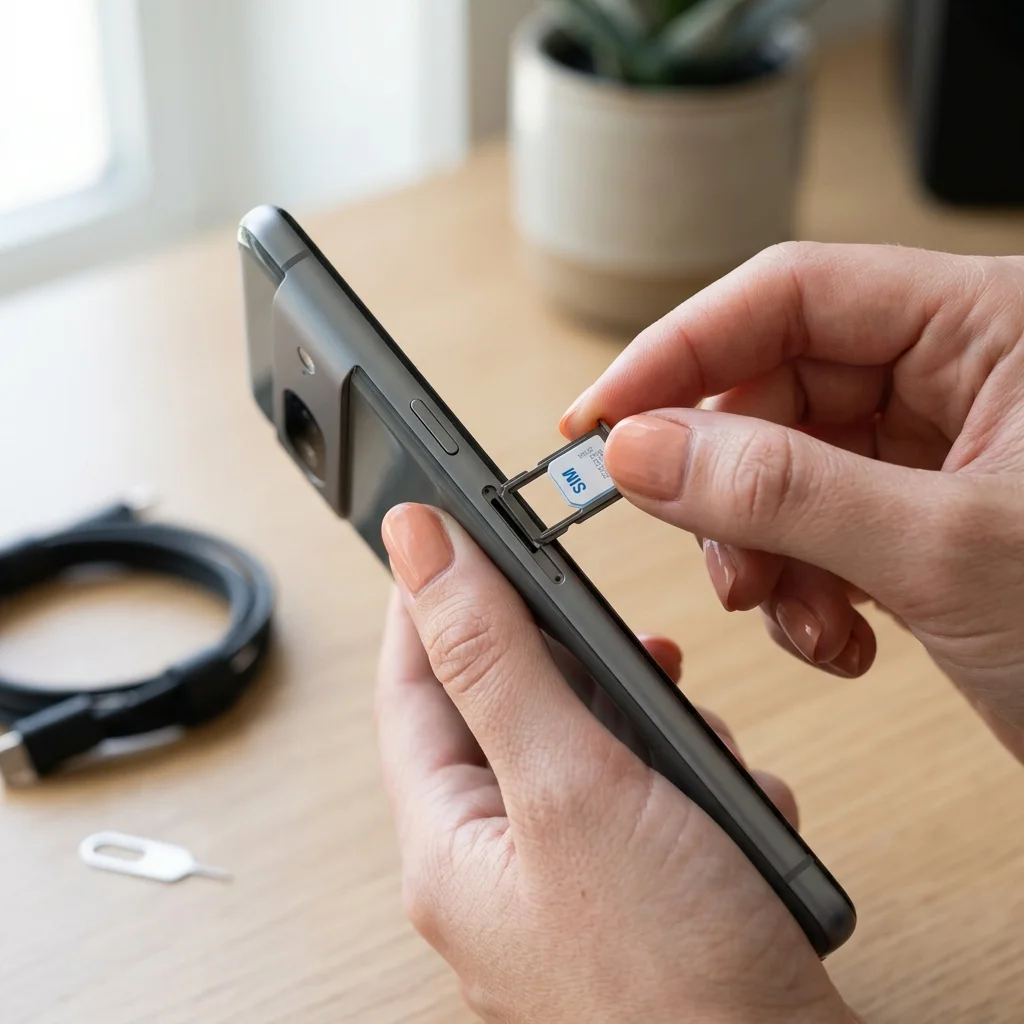
Bring your own device (BYOD) is the default with prepaid. Your existing phone works. Number porting takes a few minutes to a few hours. Activation is often a SIM card in the mail or an eSIM download. No store visits required unless you want one.
When Prepaid Wins, When Postpaid Still Makes Sense
Honest framing on both directions. Neither is universally better.
Prepaid wins when:
you already own your phone (no device financing needed), your monthly data usage is under 20-30GB (most people), your credit history is limited or you don't want a credit check, you want the freedom to switch or cancel at any time, or you want the lowest possible monthly cost for equivalent coverage.
Postpaid still makes sense when:
you want a new phone financed over 24-36 months (prepaid usually doesn't offer this), you're on a family plan where the per-line cost is already very low, you're a heavy data user (75GB+ monthly) who values premium data priority during peak network congestion, or you use international travel features that some prepaid plans don't include.
Multi-Month Prepaid Plans: Where the Real Savings Are
Standard month-to-month prepaid is already cheaper than postpaid. Multi-month prepaid saves even more.
Many prepaid providers offer 3-month, 6-month, and 12-month prepay options at meaningful discounts. Paying 12 months upfront often reduces the effective monthly cost by an additional 20 to 40 percent versus the month-to-month price. For someone on a $30/month prepaid plan, a 12-month prepay might drop the effective monthly cost to $18-$20. Multi-month plans work best for people who: are confident in their coverage, have a stable phone that will last the term, and can pay upfront to lock in savings.
The tradeoff: if you cancel a multi-month plan early, most providers do not refund the unused months. Only commit to multi-month if you're reasonably certain about staying on the plan and the network. We help you decide during the consultation whether multi-month makes sense for your situation.


Prepaid Family Plans: Underrated Savings for Multiple Lines
Prepaid family plans are one of the most overlooked savings opportunities in wireless. Here's why.
Prepaid family plans typically cost 20 to 40 percent less than the equivalent postpaid family plan for the same number of lines and same data allowances. A 4-line prepaid family plan often lands in the $80 to $120 per month range total, compared to $140 to $200 for the equivalent postpaid family plan.
Why aren't more families on prepaid family plans? Two reasons. First, the marketing budgets for postpaid family plans are much larger, so awareness is lower. Second, the major carriers cross-subsidize family plans with device financing, which many families want. If you don't need to finance new phones and your family already has functioning phones, a prepaid family plan is often the cleaner deal.
For more on choosing between prepaid family plans and postpaid family plans, see our Family Plans page, which walks through the multi-line math in detail.
What Prepaid Plans Actually Cost in 2026
Industry pricing ranges. Specific quotes during your free consultation.
| Prepaid Tier | Typical Monthly Cost | Best For |
|---|---|---|
| Basic Talk & Text | $10 to $20 | Light users, backup phones, kids' first phones, seniors with basic needs. |
| Mid-Tier with Data | $20 to $35 | Most people. Typical usage: 5-30GB monthly, occasional streaming. |
| Unlimited | $40 to $55 | Heavy users. Note some prepaid unlimited plans deprioritize data during peak network congestion after 30-50GB. |
Multi-month prepay options (6-month, 12-month) typically drop the effective monthly cost by 20 to 40 percent versus month-to-month pricing. Federal Lifeline program provides monthly discounts of typically $9.25 for eligible low-income households, which can be applied to some prepaid plans. Eligibility based on income or participation in programs like SNAP or Medicaid.
Why Choose Home Secure Connect
We help you navigate cellular networks and MVNOs, calculating real cost comparisons to make switching simple.
Get a Free QuoteNetwork-Level Comparison
We help you identify which prepaid providers run on which major carrier network, so you can match prepaid coverage to your current provider's coverage.
Honest Prepaid vs Postpaid Math
We compare your specific current bill against prepaid options with the same coverage. Sometimes prepaid wins by $30/month. Sometimes postpaid is already the better deal.
Multi-Month Savings Guidance
We walk you through when a 6-month or 12-month prepay makes sense versus month-to-month, based on your household stability.
Number Porting Support
Keeping your existing number when switching to prepaid takes a few minutes. We walk you through it, so nothing gets stuck mid-port.
Frequently Asked Questions
Yes, typically 30 to 60 percent cheaper for equivalent coverage. Prepaid providers skip retail stores, advertising, and customer acquisition costs that postpaid carriers pass to customers. On the same network, you pay less for the same coverage.
No. Prepaid providers run on the same networks as the major carriers (their MVNOs lease access to those networks). If your postpaid plan has coverage where you live, a prepaid plan on the same underlying network will have the same coverage.
No. Prepaid and no-contract plans don't require credit checks because you pay upfront each month. No credit history is needed. This makes prepaid a strong choice for anyone with limited credit history or credit concerns.
Yes. Number porting from postpaid to prepaid takes a few minutes to a few hours in most cases. You'll need your account number and PIN from your current provider. Do not cancel your current service before the port completes.
Two things to know. First, prepaid unlimited plans often deprioritize your data during peak network congestion (after 30-50GB on some plans). Second, prepaid usually doesn't include device financing, so you need to bring your own phone or buy one outright. For most users, neither is a real problem.
Yes, typically 20 to 40 percent cheaper than the equivalent postpaid family plan. A 4-line prepaid family plan often lands in the $80 to $120 per month range total. Prepaid family plans work best when the family already has functioning phones and doesn't need to finance new devices.
Some prepaid providers offer 3-month, 6-month, or 12-month prepay options at reduced effective monthly cost, often 20 to 40 percent cheaper than the same plan month-to-month. The catch: no refunds if you cancel early. Only commit if you're confident in the plan and network.
Mostly yes. No-contract typically means prepaid, but not always. Some postpaid providers now offer no-contract options with monthly billing. The core distinction is whether you pay upfront (prepaid) or are billed after usage (postpaid), and whether early termination fees apply (contract) or not (no-contract).
Find the Right Prepaid or No-Contract Plan For You
Talk to a real advisor about switching to prepaid, comparing prepaid family plans against postpaid, or evaluating multi-month prepay savings. We match you with prepaid providers running on the same networks you already have coverage on, honestly and without pressure. Free consultation. No obligation. No fees.
Or call (855) 248-8052. Mon to Sun, 8am to 8pm.