Indoor, Outdoor, and Doorbell Security Cameras for Your Home
See who's at the door. Watch over your property when you're away. Get peace of mind knowing your home, your family, and your packages are protected, day and night.
Not sure where to start?
Tell us about your home and we'll recommend the right camera setup. No pressure, no fees.
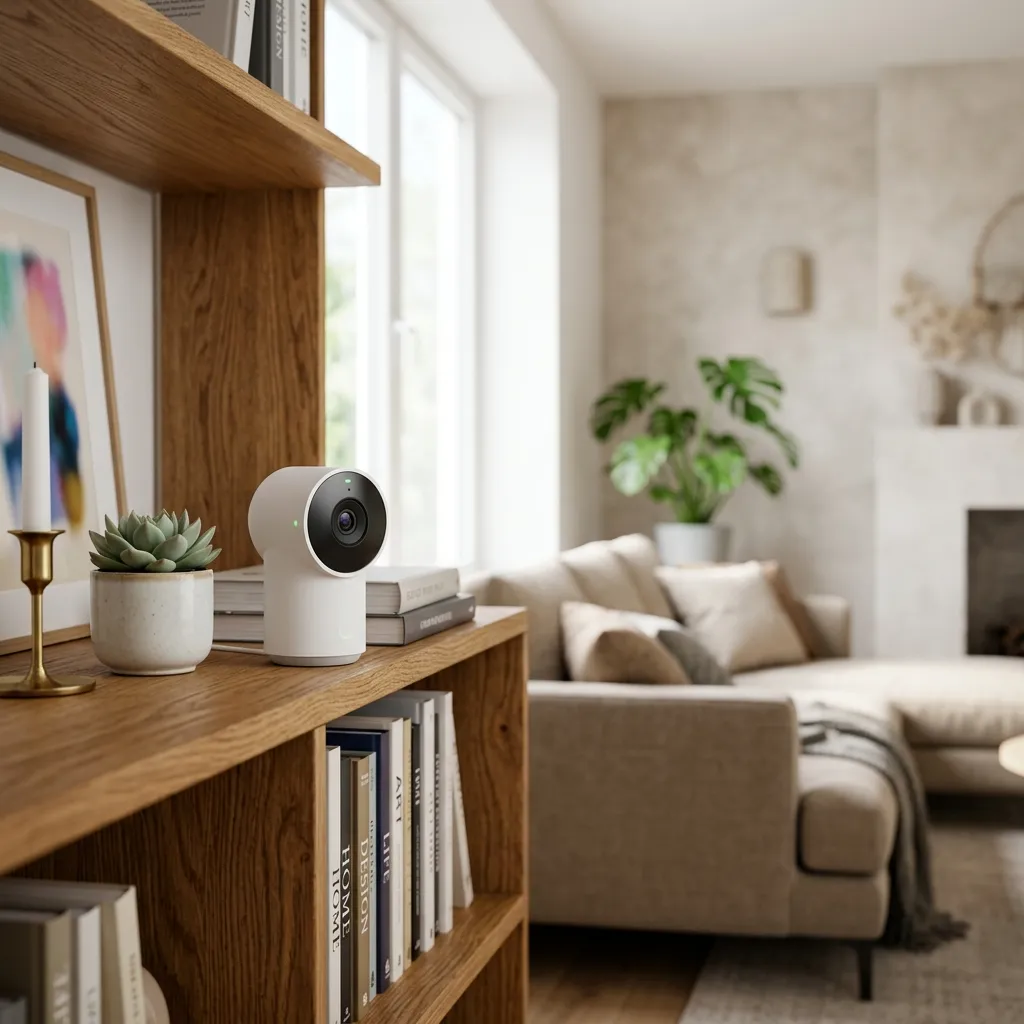
Eyes Inside When You Can't Be There
Indoor cameras give you a window into your home when you can't be there. Parents checking on a babysitter. Working professionals making sure the dog isn't on the couch. Families with elderly relatives at home. Anyone who travels and wants to see the house is exactly as they left it.
Today's indoor cameras are small, quiet, and easy to set up. They sit on a shelf or mount on a wall. They send a notification to your phone the moment they detect motion. The picture quality is sharp enough that you'll recognize faces, not just shapes. Two-way audio lets you speak to whoever's in the room: reassure a child, tell the dog to get down, check on a parent who isn't answering the phone.
Who indoor cameras really help
From daily convenience to critical safety, see how different households use indoor cameras for peace of mind.

Working Parents
Checking on kids after school.

Caregivers
Keeping an eye on aging parents who value independence.

Frequent Travelers
Verifying that service workers stayed where they were supposed to.

Renters
Who want security without drilling holes.

Pet Owners
Watching their dog or cat during the workday.
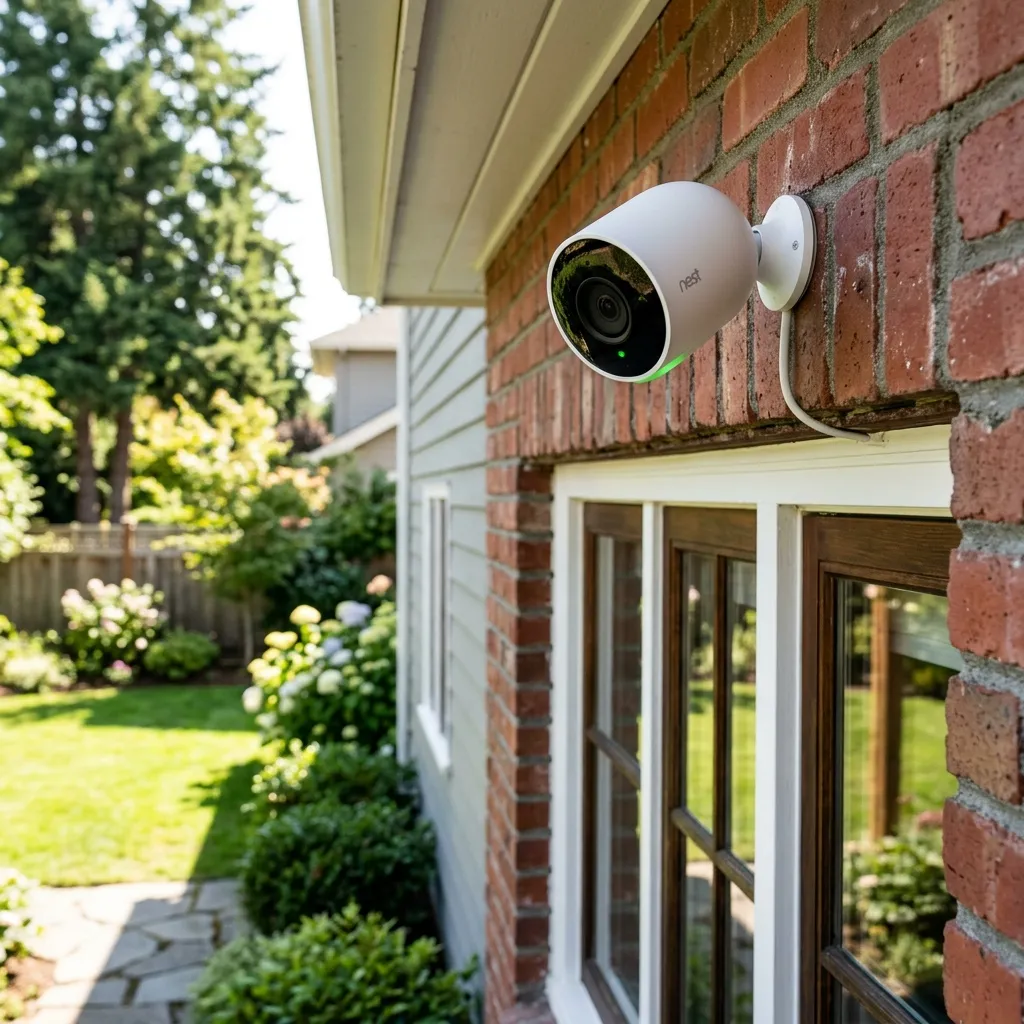
Watch Over Your Property
Outdoor cameras are the most important investment most homeowners make. They sit on the perimeter, watching the driveway, side yard, back patio, and any blind spots an intruder might exploit. Visible cameras alone deter burglars, who often pick the path of least resistance and move on to easier targets.
Modern outdoor cameras are built for real weather: rain, snow, heat, cold, sun. They use smart detection to tell the difference between a person, a vehicle, a delivery, and a passing animal, so you're not buried in alerts every time a leaf blows past. Many include built-in lights and sirens that activate when motion is detected after dark, turning a passive watcher into an active deterrent. Many break-ins happen at night, when visibility is lowest and intruders feel safest, which is exactly when these features matter most.
What outdoor cameras protect
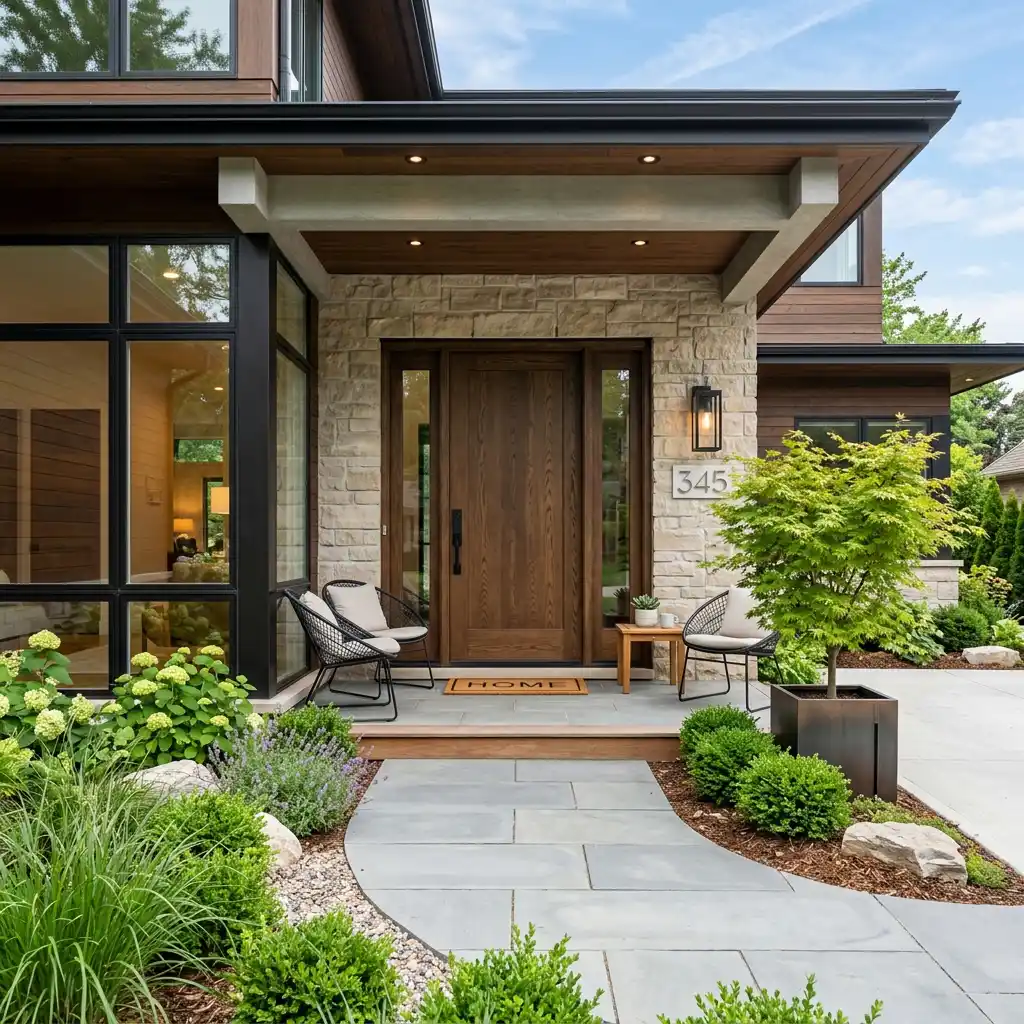
Front door and porch
(where most package theft happens)
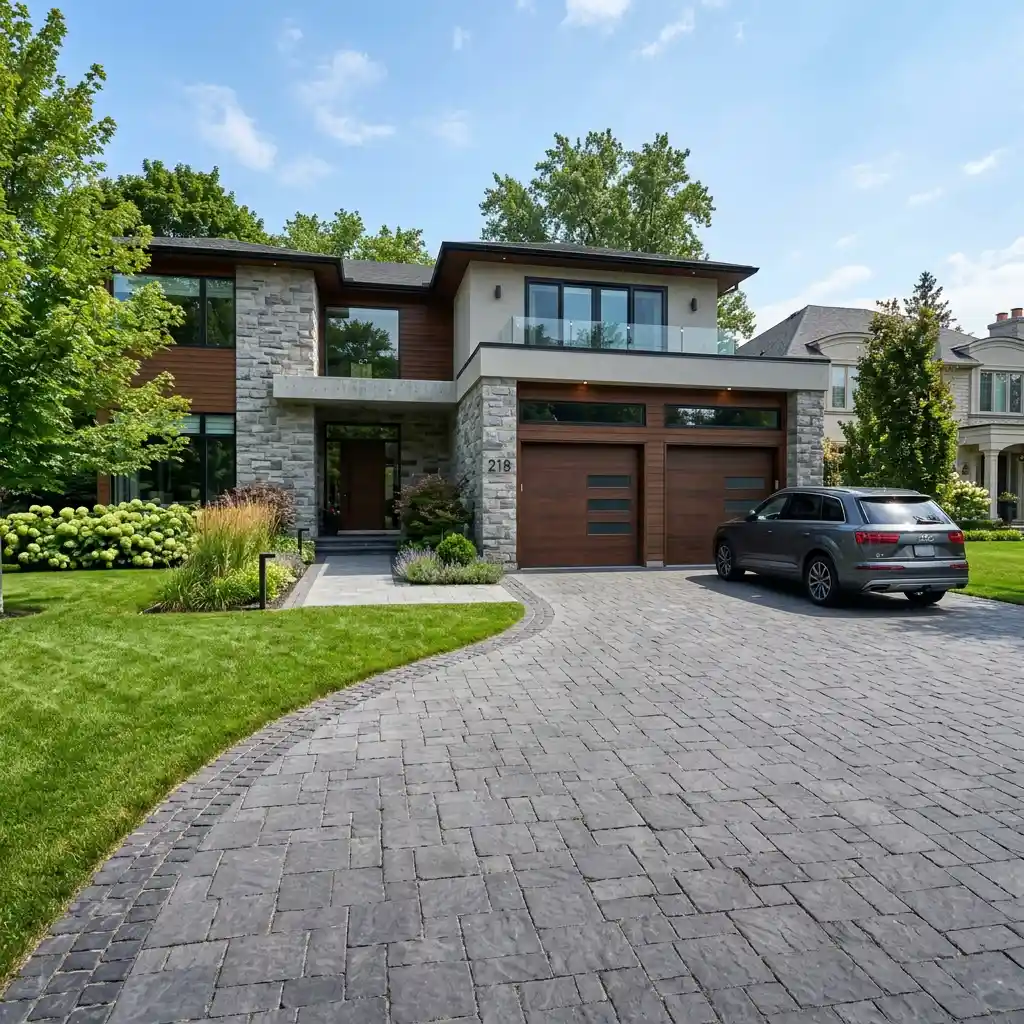
Driveway and garage entrance
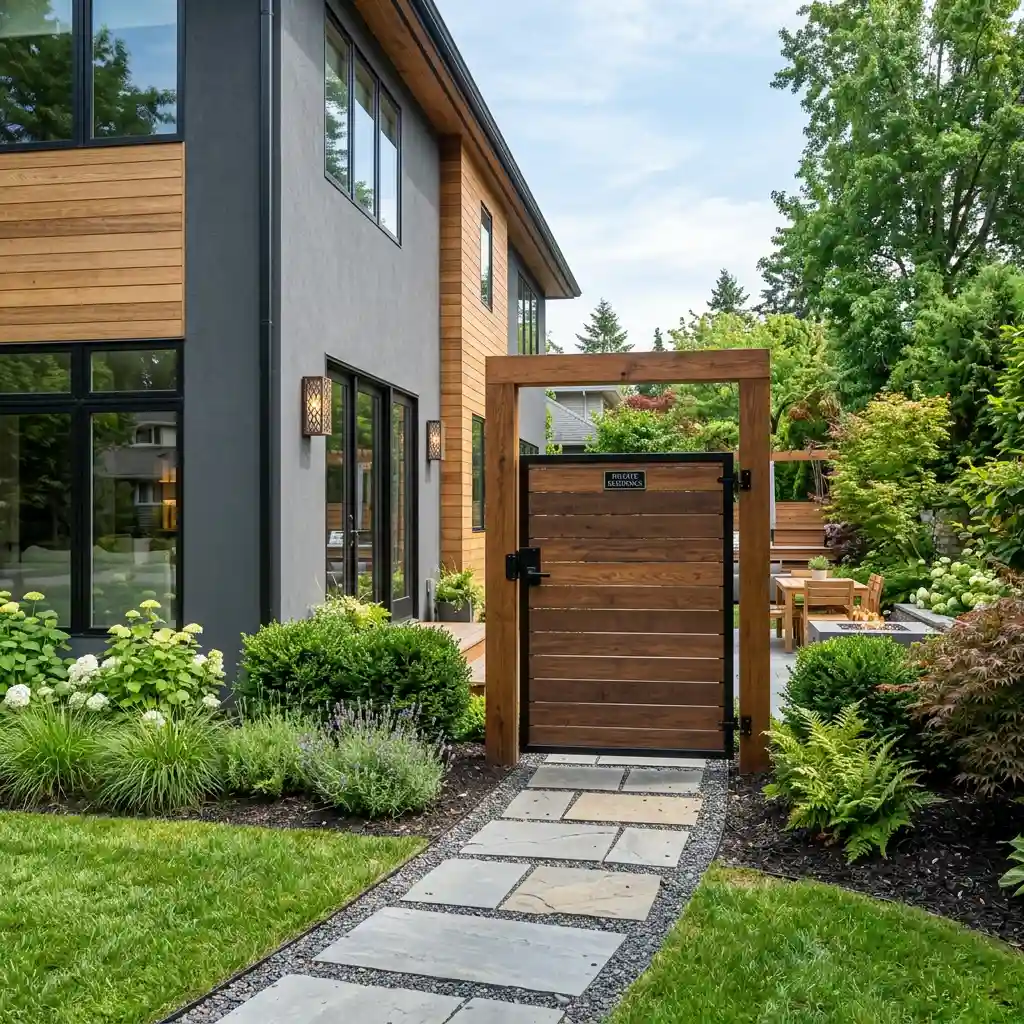
Side yards and gates leading to the back
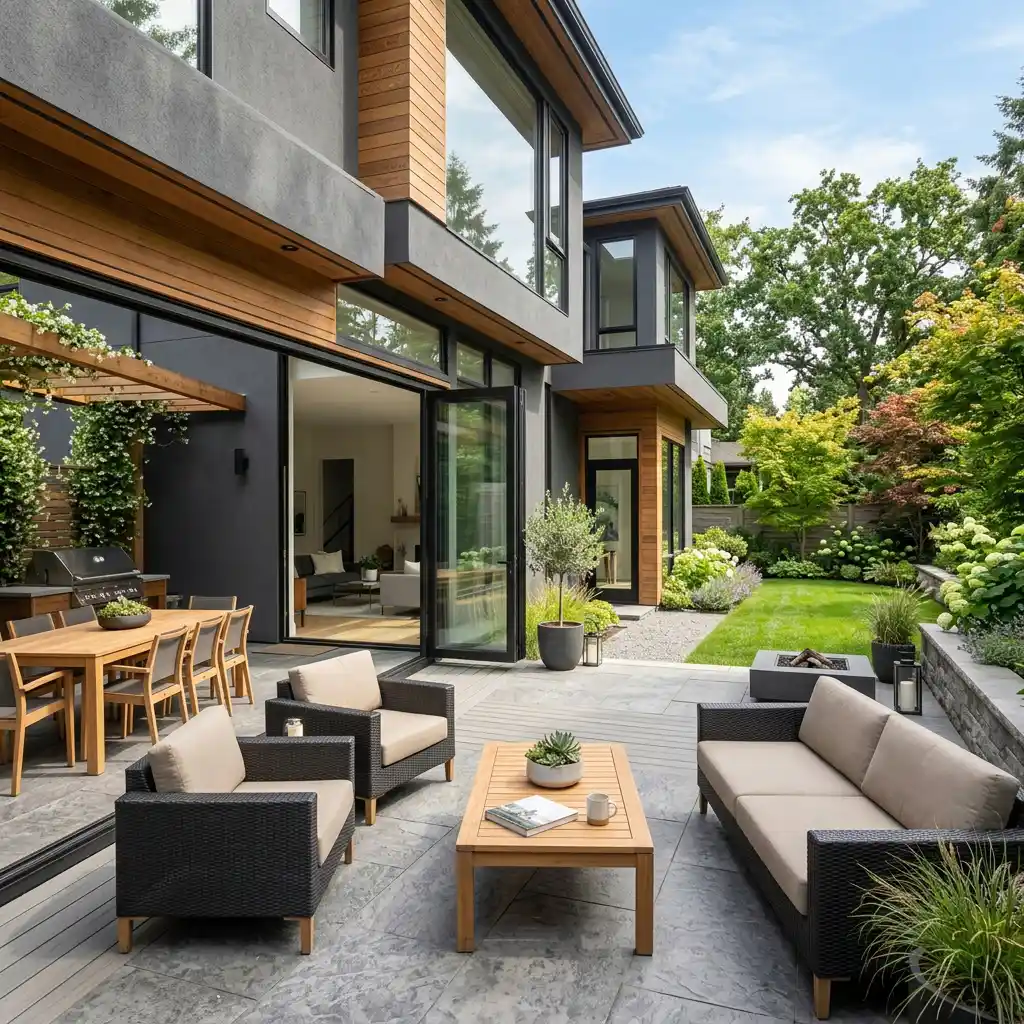
Back patio and rear entrances
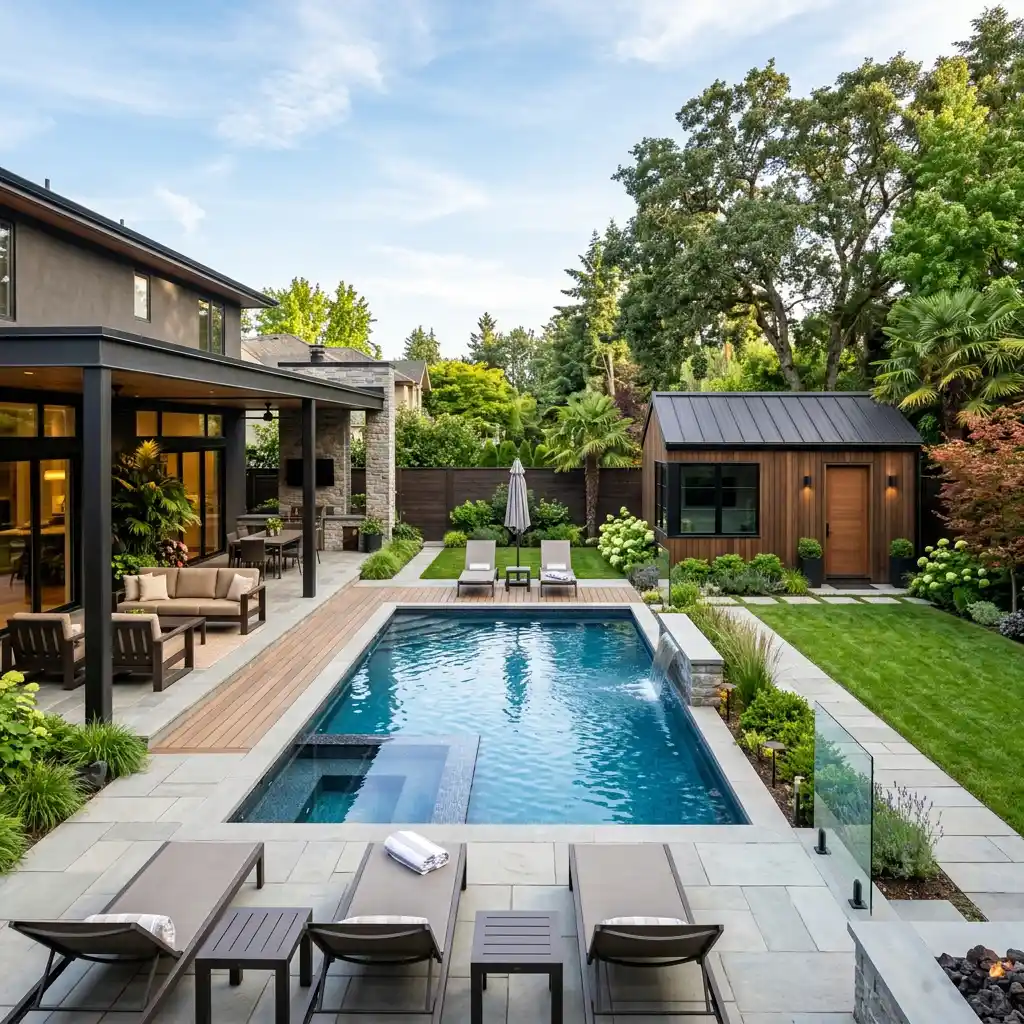
Pools, sheds, and detached structures
Want to see what cameras would
work at your home?
Our advisors compare options across our vetted provider network and recommend a setup that actually fits your property. One short call. Real answers.
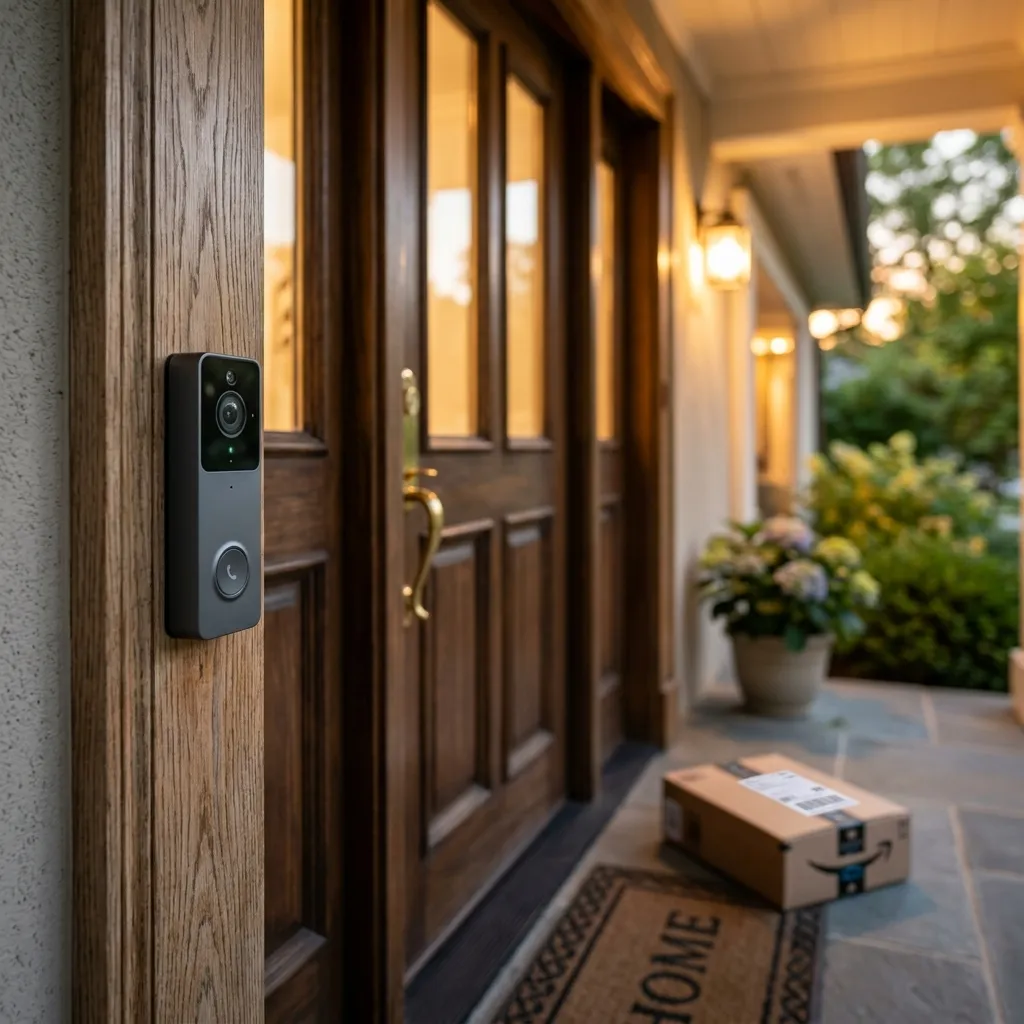
Know Who's There Before You Open It
The doorbell camera has quietly become one of the most popular home security purchases in America. It addresses a moment of real vulnerability, when someone unknown rings your bell, and turns it into a moment of control. You see who's there before deciding whether to open the door. You can speak through two-way audio without opening it. You get an instant alert when a package is delivered, and another if someone lingers near it longer than they should.
Online shopping has changed what arrives at your door. Most American households now get multiple packages a week, often left on the porch for hours before anyone comes home. A doorbell camera doesn't just record. It changes the calculation for the person on your porch. They know they're being filmed. That knowledge alone is often enough to send them looking for an easier target.
How doorbell cameras actually work
A doorbell camera replaces or attaches to your existing doorbell with a small video camera, microphone, speaker, and motion sensor. When motion is detected or the button is pressed, it streams live video to your phone where you can see, hear, and speak with the visitor. Power comes from existing doorbell wiring or a built-in rechargeable battery. Battery-powered models work in apartments without drilling — just check your building's policy on cameras in shared hallways first.
How Our Advisors Recommend Choosing
Most homeowners don't actually need more cameras. They need the right cameras in the right places. Here's the approach our advisors use when we walk through your home.
Our advisor's take
Start with the front door (doorbell camera covers the most common vulnerability). Then cover the perimeter only where you can't already see (typically 2-4 outdoor cameras for a single-family home). Add indoor cameras only for rooms that solve a real concern in your daily life. Then connect everything to one app, because juggling cameras from different brands across multiple apps creates more frustration than protection.
Cameras Without WiFi or a Monthly Fee
Two of the most common questions we hear: do I need WiFi for security cameras to work? And are there cameras without a monthly subscription? The honest answer to both is yes, with trade-offs worth understanding.
Cameras That Work Without WiFi
If your home WiFi is spotty, your home is rural, or you simply don't want your cameras depending on an internet connection, you have real options.
Cameras Without a Monthly Subscription
Many cameras can be used with no monthly fee. If you want a security camera with no subscription, you have real choices. The best indoor security camera without a subscription uses local storage and built-in smart features so you don't need a paid plan to get real protection.
For most American homeowners, the value of professional monitoring outweighs the cost. If something happens at 2am, you want a trained professional verifying the alarm and calling for help, not relying on whether your phone is on silent. But if you specifically want no monthly fees, we can recommend setups that work fully without a subscription.
Which Camera Setup Fits Your Home?
This is one of the biggest decisions in choosing a camera setup. Most homeowners don't realize the choice matters until something goes wrong: a battery dies, a signal drops, a renter can't drill holes.
Wireless Cameras
Powered by battery or solar. No cables to run. Easy to move or replace.
Wired (Hardwired) Cameras
Powered through a permanent wire connection. Always on. Most reliable.
Most homeowners we work with end up with a mix. Wired cameras for the doorbell and fixed outdoor spots where maximum reliability matters. Wireless cameras for locations that need flexibility. Renters typically go fully wireless. Long-term owners with strong WiFi often go fully wired.
SOCIAL PROOF
What Homeowners Are Saying
Real homeowners. Real installs. Real results.
"[INSERT REAL TESTIMONIAL — doorbell camera, package theft, 2-3 sentences from a real customer.]"
— [First Name] [Last Initial], [City, State]
"[INSERT REAL TESTIMONIAL — outdoor cameras, peace of mind while traveling, or smart deterrence.]"
— [First Name] [Last Initial], [City, State]
"[INSERT REAL TESTIMONIAL — professional install or indoor cameras (kids, pets, elderly parents).]"
— [First Name] [Last Initial], [City, State]
Why Homeowners Choose Home Secure Connect
We are not a camera company. We don't make cameras. We don't sell our own brand. That's exactly why so many homeowners come to us.
Get a Free Camera QuoteIndependent Recommendations
We compare cameras across our vetted network, then tell you what actually fits your home and budget. Not what we want to sell.
Professional Installation
Certified technicians place every camera in the right spot, connect it, and walk you through the app.
One Connected System
Cameras work alongside locks, sensors, and monitoring in a single app. Not a tangle of brands and accounts.
Real People When You Need Us
No chatbots. No call trees. A real advisor who knows your situation, before, during, and after install.
Frequently Asked Questions
For an average single-family home, three to five cameras usually provide solid coverage. That typically means one doorbell camera, two outdoor cameras covering the driveway and back, and one or two indoor cameras for specific rooms where you have a real concern. Larger homes need more. We walk through your specific home during the free consultation and recommend an exact setup.
Yes. Cellular cameras connect to a cellular data network the same way a smartphone does, so they work without home WiFi. Other cameras use local storage and a wired connection to a recording device, eliminating WiFi entirely. Both options are ideal for homes with weak WiFi, rural properties, or anyone who wants their cameras independent of internet outages.
Yes. Many cameras can be used with no monthly fee, especially cameras with local storage. You keep live view, motion alerts, and recording, but give up cloud storage of older footage and some advanced features. For homeowners who want zero monthly fees, we can recommend setups that deliver real protection without ongoing costs.
Wired cameras connect with a permanent wire that provides power. Always on, no batteries, the most reliable connection. Wireless cameras are battery-powered and connect over WiFi. Easier to install and move, but need recharging every few months. Most homeowners end up with a mix: wired for fixed locations like the doorbell, wireless for spots that need flexibility.
Yes. Surveys of convicted burglars consistently show that visible security cameras are one of the strongest deterrents. Most burglars avoid homes with visible cameras and pick easier targets. Outdoor cameras with built-in lights and sirens that activate on motion are particularly effective at scaring off intruders before they reach the door.
Both are possible. Many modern doorbell and outdoor cameras are designed for DIY install in under an hour. Professionally installed systems include placement expertise, integration with your panel and monitoring, and a single point of support if anything goes wrong. We recommend professional installation for most homeowners because it removes guesswork and connects everything to one app on day one.