Quick Answer
In one sentence: The goal isn't to hide that you're away, it's to stop your house from announcing it, because Department of Justice figures indicate homes left obviously unoccupied are around 2.5 times more likely to be targeted.
The longer answer: Most holiday security advice is a list of tips with no organizing idea behind it. Here's the idea: a house sends signals, and someone walking or driving past reads those signals in seconds. Accumulated mail, a dark window at 9pm every night, an empty driveway, an untouched trash can. Each one is a data point saying nobody's home. Your job before you leave is to audit those signals and interrupt the obvious ones. This guide covers which signals matter most, a countdown of what to do and when, and exactly what to ask the person keeping an eye on the place.
Key Takeaways
- Department of Justice figures indicate homes that look obviously unoccupied are about 2.5 times more likely to be targeted.
- Policing research finds homes appearing occupied, with lights, a vehicle, or visible activity, are less likely to be burglarized.
- December and January rank among the highest burglary months in FBI data, and travel is one reason why.
- Accumulated mail and an open or empty garage are among the clearest vacancy signals you can send.
- Post photos after you get back, not while you're away. The timing is the whole issue.
Every holiday security article tells you to stop your mail and put a lamp on a timer. Both are fine advice, and neither explains why. The reason is worth understanding, because once you get it you can work out the rest of the list yourself, including the parts specific to your own house. If you've read how burglars choose which homes to target, this is the same logic applied to the week you're away.
Why December Is Different
Two things happen at once in December. Millions of homes sit empty while families travel, and higher-value goods sit inside them. FBI burglary data has shown December and January ranking among the highest burglary months of the year, and analyses of December property crime consistently point to travel patterns as a leading factor.
The effect is uneven by region, which is worth knowing rather than assuming a national pattern applies to you. Reported state-level analysis has put December burglary rates in Florida at roughly four times the national December average, with Washington State around double and North Carolina about 41 percent above the national mean. Local rates vary considerably, so your own city's numbers are more useful than the national figure.
What Your House Broadcasts While You're Gone
This is the part worth spending time on. Research from the Arizona State University Center for Problem-Oriented Policing notes that signs of vacancy such as accumulated mail or an open garage door indicate nobody is home, while houses that appear occupied, with lights on, a vehicle in the driveway, visible activity, or audible noise from inside, are less likely to be burglarized. The same work notes that homes of residents away on vacation are at particular risk.
So walk your own property and read it the way a stranger would. Here are the signals that carry the most weight, and what interrupts each one.
| Signal | What it says | What to do instead |
|---|---|---|
| Mail and papers piling up | Nobody has been here for days | Hold delivery, or have someone collect daily |
| Packages left at the door | Same, and there is something to take | Pause deliveries or reroute them |
| Every window dark, all night | The house is empty after dark | Vary interior lights on timers |
| Empty driveway all week | No vehicle, no one home | Ask a neighbor to park there occasionally |
| Open or visibly empty garage | No car inside, easy access point | Close it and confirm before you drive off |
| Trash can never moved | Nobody is doing normal weekly tasks | Ask someone to move it on collection day |
| Snow with no tracks | Nobody has come or gone | Arrange for the drive to be cleared |
| Empty gift boxes at the curb | New electronics are inside | Break down boxes, put them out on return |
The last row is a holiday-specific one that catches people out. A flattened television box at the curb on trash day advertises exactly what arrived in the house. On the delivery side more broadly, our guide to preventing package theft covers the porch problem in full.
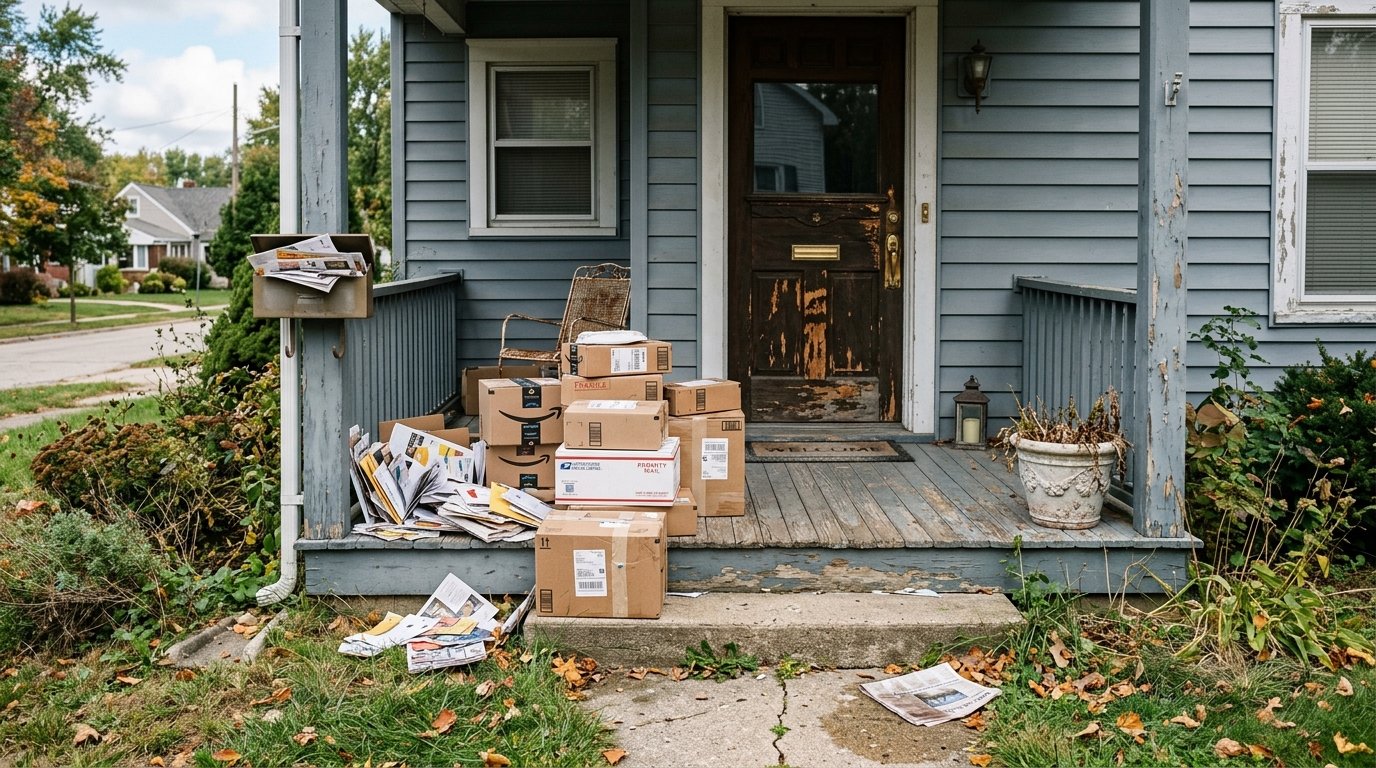
You will not interrupt every signal, and you don't need to. The aim is to remove the obvious ones, because the difference that matters is between a house that plainly looks empty and one that doesn't.
Traveling and want the house watched properly?
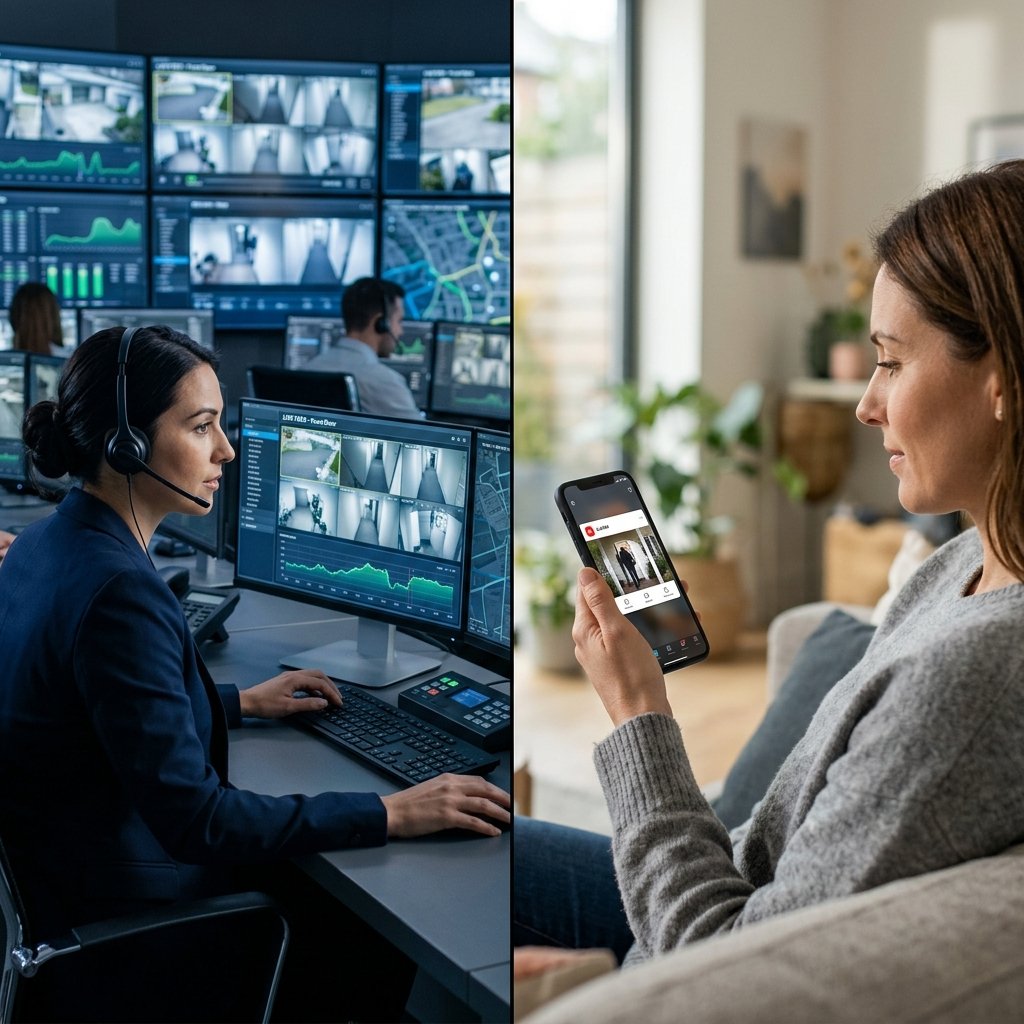
Our advisors can walk through what monitoring, cameras, and automated lighting would actually cover while you're away. Free consultation, no pressure.
Call (855) 248-8052 or request a free quote online.The Countdown: What to Do and When
Most of this fails because it gets left to the morning you leave. Spread across the two weeks before, none of it is difficult.
Two weeks out
- Submit a mail hold, or arrange for someone to collect it daily
- Ask the person who will keep an eye on the house, and give them the brief below
- Check that exterior lighting works and replace any dead bulbs
- If you have a monitoring plan, confirm your contact details and passcode are current
One week out
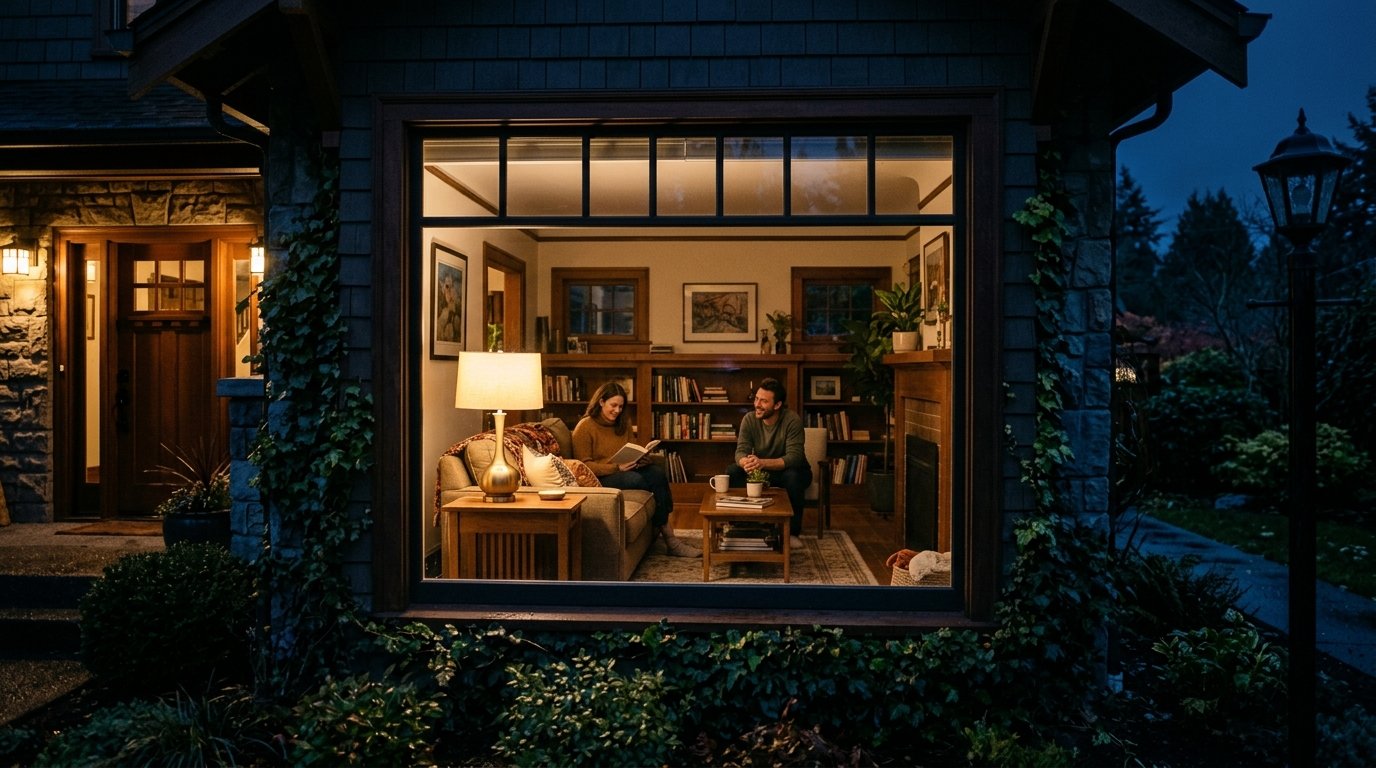
- Set interior lights on timers, varied rather than identical each night
- Pause or reroute recurring deliveries and subscriptions
- Trim anything that has grown into a hiding spot near windows or doors
- Move valuables and gifts out of sight from windows
Departure day
- Lock every exterior door and window, including the ones you never use
- Close the garage and confirm it stayed closed before you drive away
- Unplug what doesn't need power, and set the thermostat for the season
- Arm the system, and check any cameras are online in the app before you leave
While you're away
- Check camera or system alerts once a day rather than obsessively
- Keep travel photos off public feeds until you're home
- Have your contact person confirm once mid-trip that everything looks normal
The Social Media Problem Is About Timing
The usual advice is not to post while you're away, which most people ignore, because posting is part of the trip. The more workable version is narrower: it isn't the photos that create exposure, it's the timing.
A photo posted from an airport, or a location tag from another state, tells anyone who can see it that your house is currently empty and roughly for how long. The same photo posted after you get back tells them nothing useful. So take everything, post it later. If you do post live, check who can actually see it, and skip location tags and the countdown posts before departure.
What to Actually Ask the Person Watching Your House
“Keep an eye on the place” is not a brief. It's a favor with no defined actions, which is why it often ends with nobody doing anything. Ask for specific tasks instead, and it becomes easy to say yes to and easy to do.
The brief worth asking for
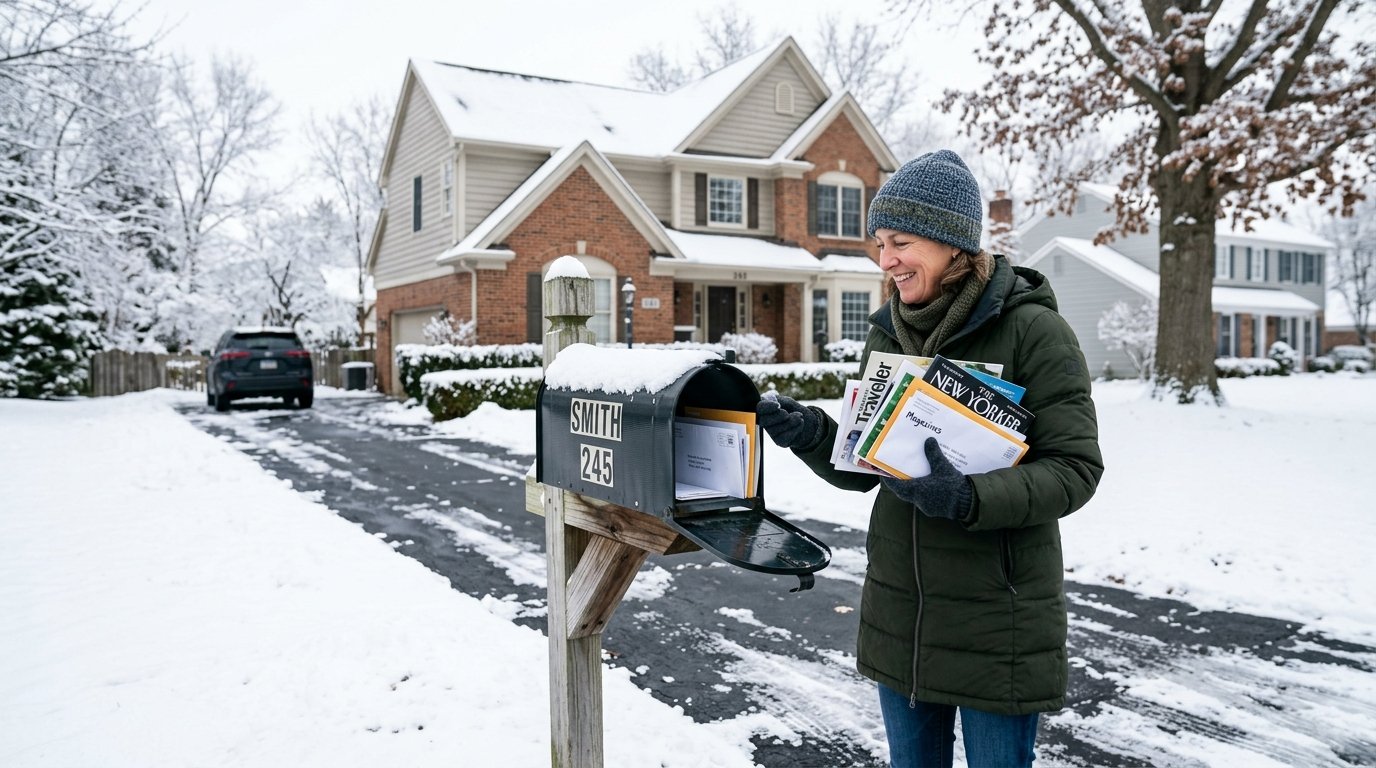
- Collect any mail or packages that arrive, even with a hold in place.
- Move the trash can out and back on collection day.
- Park in the driveway now and then if that's convenient.
- Walk past once every couple of days and check the doors and garage look normal.
- Text me if anything looks off, rather than trying to sort it out alone.
- Here's my number and the dates I'm away.
Give one trusted person a key rather than hiding one outside. Hiding places that seem clever are the first spots anyone checks.
One more thing worth doing before a long trip: check how your homeowner policy treats an unoccupied property. Many policies include vacancy provisions with time thresholds, and those thresholds vary by insurer and state. A week away is a different situation from leaving for a season, so ask your own insurer where the line sits for your policy rather than assuming.
Frequently Asked Questions
Are burglaries more common during the holidays?
December and January rank among the highest burglary months in FBI data, and analyses point to travel leaving homes empty as a leading factor. Regional variation is significant, so local rates matter more than national ones.
What is the biggest mistake people make before traveling?
Letting the house look obviously empty. Department of Justice figures indicate homes that appear unoccupied are around 2.5 times more likely to be targeted, and accumulated mail is one of the clearest signals.
Should I stop my mail before a trip?
Yes, or have someone collect it daily. Piled-up mail and papers are among the clearest indicators that nobody has been home for days, and policing research names accumulated mail specifically as a vacancy sign.
Do light timers actually help?
They help when varied. Research indicates homes appearing occupied, with lights on or visible activity, are less likely to be targeted. Identical timing every night reads as automated, so stagger the schedule.
Is it safe to post vacation photos on social media?
The issue is timing, not photos. Posting while away signals your house is currently empty and for how long. Take everything you like and post after returning, and skip location tags and countdown posts.
Should I leave a car in the driveway?
If you can, yes. A vehicle in the driveway is one of the signals associated with a home appearing occupied. Asking a neighbor to park there occasionally works when you're taking your own car.
Where should I hide a spare key while traveling?
Nowhere outside. Give a key to one trusted person instead. Common hiding spots are the first places checked, so an outdoor key mostly creates risk rather than convenience while you're away.
What should I ask a neighbor to do while I'm gone?
Give specific tasks rather than a vague request: collect mail and packages, move the trash can on collection day, walk past every couple of days, and text you if anything looks wrong.
Does my home insurance cover theft while I'm traveling?
Usually, though many policies contain vacancy provisions with time thresholds that vary by insurer and state. A short trip differs from an extended absence, so confirm the specifics with your own insurer beforehand.
Is monitoring worth it just for travel periods?
It matters most exactly when nobody's home, since an audible alarm needs someone to hear it. Whether it's worth the ongoing cost depends on how often you travel and what else you have in place.
Related Reading
- How Do Burglars Actually Choose Which Homes to Break Into?
- How to Prevent Package Theft During the Holidays
- What is 24/7 Professional Monitoring, and Is It Worth It?
- Home Security Camera Placement: The Spots That Actually Matter
Explore our services:
- Smart Deterrence Technology
- 24/7 Professional Monitoring
- Security Cameras & Doorbell Cameras
- Home Security Overview
Get a Second Opinion, Free
The best version of this is the version you don't have to think about while you're away.
Home Secure Connect is an independent home security advisor. We help homeowners across the USA work out what actually covers an empty house, from automated lighting to monitored alerts, across our trusted provider partners. Free consultation. No obligation. No pressure.
Call (855) 248-8052 or Request a Free QuoteAvailable Mon to Fri, 10am to 8pm ET.
Trending This Week
Smart Locks vs Traditional Deadbolts: Which Actua…
September 23, 2026 · About 8 min read
Alarm System vs Security System: What's the Diffe…
September 21, 2026 · About 8 min read
Home Security for Aging Parents: Practical Advice…
September 16, 2026 · About 9 min read