Quick Answer
In one sentence: A monitored security system typically earns a 5 to 20 percent homeowner insurance discount, which often covers part of your monitoring cost rather than all of it, so treat it as an offset rather than a system that pays for itself.
The longer answer: The discount is real and worth claiming, but the way it's usually described oversells it. Whether it fully offsets your monitoring depends on your premium, your discount percentage, and what you pay each month. On a high premium with a cheap monitoring plan, it can wipe out the cost entirely. On a low premium with an expensive plan, it covers a fraction. This guide shows you how to run that number for your own situation, what qualifies, and the steps to actually claim it, since it is never applied automatically.
Key Takeaways
- Reported discounts for a monitored system run roughly 5 to 20 percent of your premium, varying by insurer and state.
- On the average US premium, that's commonly cited as somewhere around $75 to $300 or more per year.
- Self-monitoring usually does not qualify. Most meaningful discounts require professional monitoring.
- Adding monitored fire and carbon monoxide detection often unlocks a higher discount tier.
- The discount is never automatic. You must ask for it and submit a certificate from your monitoring provider.
Most articles on this topic quote a range, tell you it's great, and move on. The number is real, but the useful question is not the percentage. It's whether the discount actually covers what you're paying for monitoring, and the honest answer depends entirely on your own figures. If you've looked at what a security system really costs, this is the credit that sits on the other side of that ledger.
How the Discount Actually Works
Insurers reduce premiums for monitored systems because those systems lower their risk. A professionally monitored home is less likely to suffer an undetected break-in, fire, or water leak, and when something does happen, a faster response usually means a smaller claim. Consumer insurance guidance describes this as a protective device discount, and most major carriers offer some version of it.
The size depends on four things: your insurer, the devices you install, whether the system is professionally monitored, and your state. Reported figures cluster in the 5 to 20 percent range, with the higher tiers reserved for professional monitoring and for systems that also monitor fire and carbon monoxide. Some insurers offer a smaller credit, often cited around 2 to 5 percent, simply for having an alarm at all.
The Real Math: Does It Pay for Itself?
Here is the part the marketing skips. Whether the discount offsets your monitoring is a simple calculation, and it comes out very differently depending on your numbers.
Case A: The discount wins
Premium $2,300, discount 15 percent, saving about $345 a year. Monitoring at $20 a month costs $240 a year.
The discount covers all of it and leaves you roughly $105 ahead.
Case B: The discount helps but does not cover it
Premium $1,400, discount 10 percent, saving about $140 a year. Monitoring at $40 a month costs $480 a year.
The discount covers under a third, leaving a net monitoring cost of about $340 a year.
Same discount idea, opposite conclusions. This is why a flat 'it pays for itself' claim is misleading. It pays for itself only when your premium is high and your monitoring is cheap.

Run it for your own situation
- Find your annual premium on your policy declarations page.
- Multiply it by a realistic discount for your setup, 5 percent for a basic alarm, 10 to 20 percent for professional monitoring with fire and CO. Use the lower end to be safe.
- Multiply your monthly monitoring fee by 12.
- Subtract the annual discount from the annual monitoring cost. That's your true net cost of monitoring, and it's the honest number to plan around.
Confirm the exact percentage with your insurer before assuming a figure, since the range is wide and state rules differ.
What Qualifies, and What Doesn't
The most common disappointment here is discovering after the fact that a setup does not qualify. The pattern across insurers is fairly consistent.
| Usually qualifies | Usually does not |
|---|---|
| Professional 24/7 monitoring that contacts police or fire | Self-monitoring where alerts only go to your phone |
| Monitored fire and smoke and carbon monoxide detection | A standalone doorbell camera on its own |
| Monitored carbon monoxide detection | Local-only alarms that just sound at the house |
| Monitored water or environmental sensors | Cameras with no monitored alarm attached |
| A UL-listed monitoring certificate you can submit | A system you cannot document with a certificate |
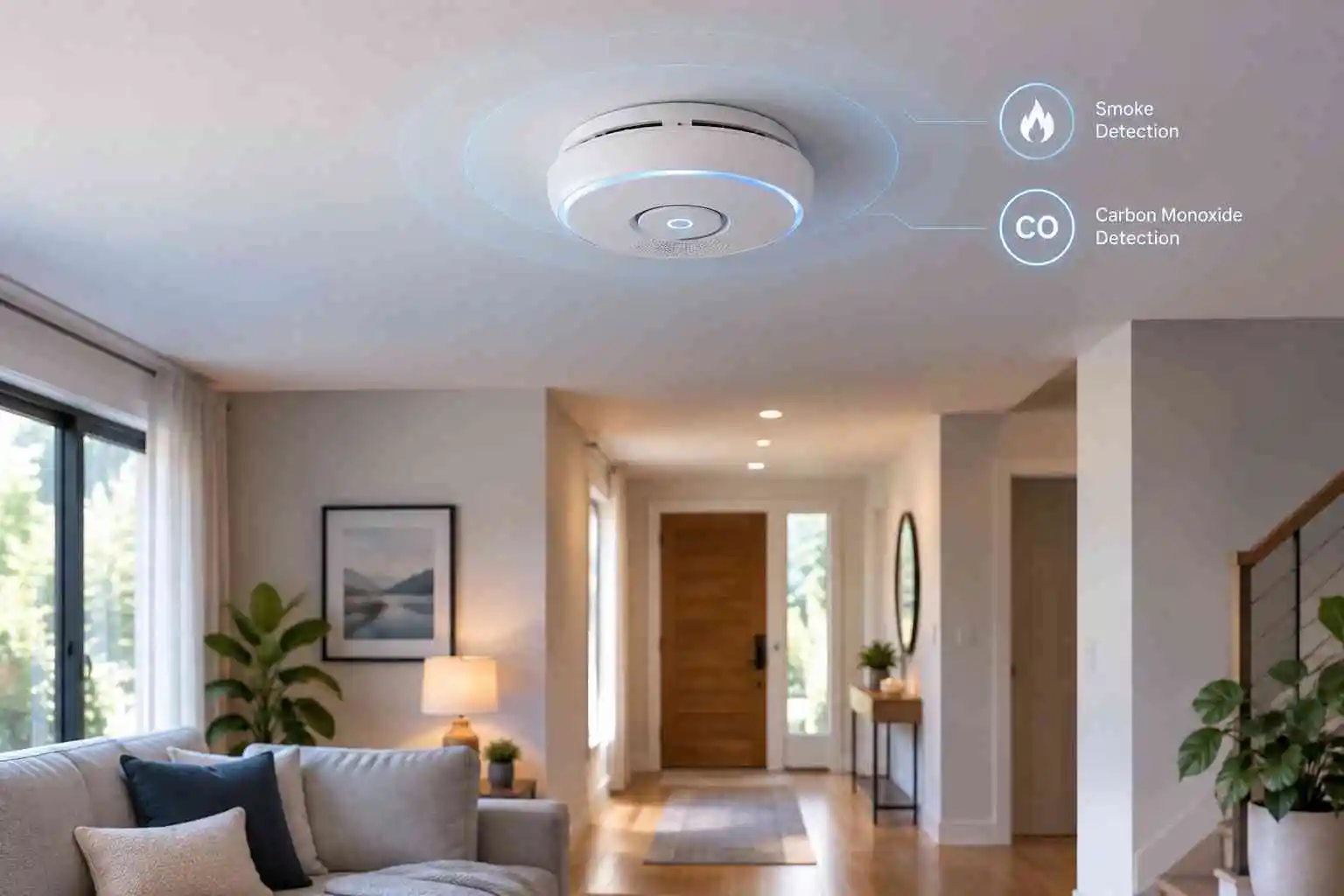
The single most important line there is the first one. Self-monitoring, where the system alerts only you, usually does not earn the meaningful discount, because from the insurer's point of view nobody is guaranteed to respond. Adding monitored smoke and carbon monoxide detection is frequently what moves you into a higher tier, since it reduces fire and CO claims as well as burglary.
Want to know if your setup would qualify?
Our advisors can explain which monitoring options typically earn a discount and compare them across our provider partners. Free consultation, no pressure.
Call (855) 248-8052 or request a free quote online.How to Actually Claim It
This is where the savings are most often lost, because the discount is not applied on its own. You have to ask, and you have to prove it. Three steps.
Three Steps to Claim
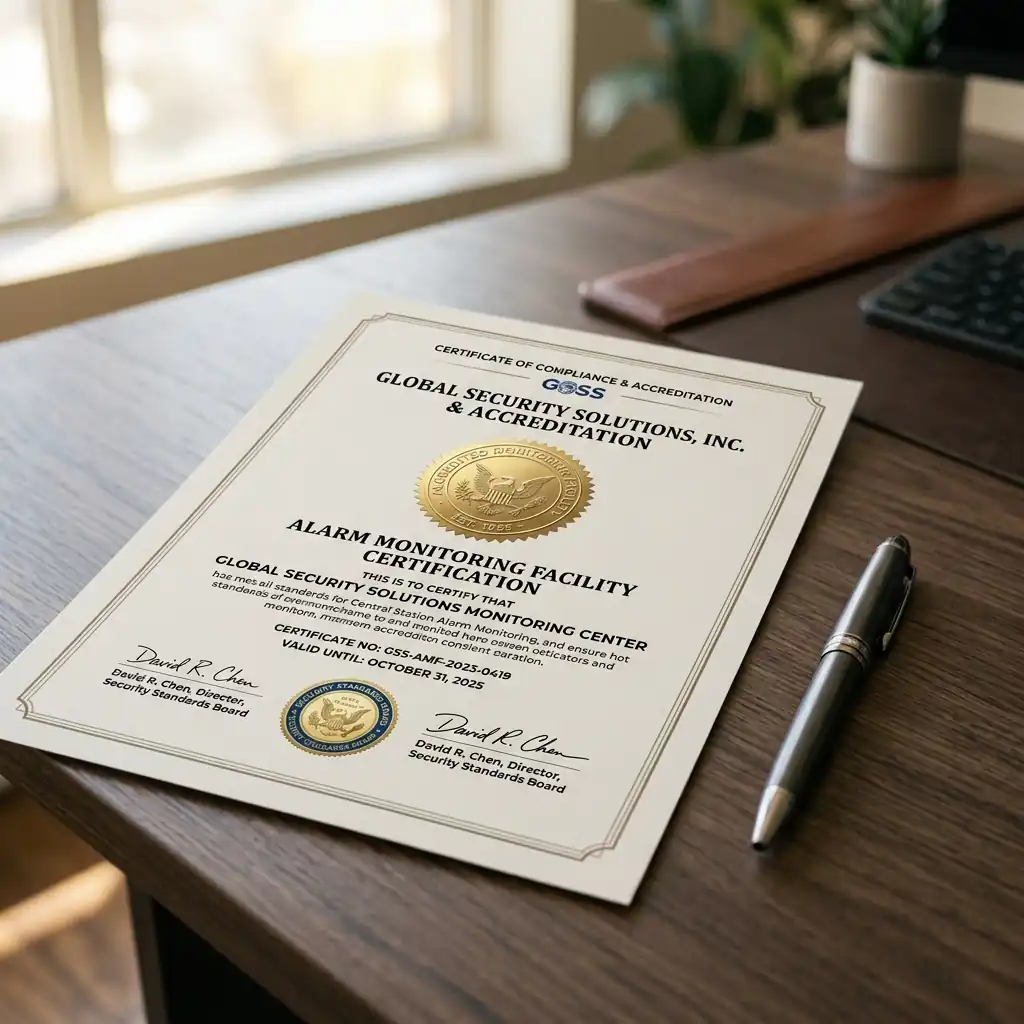
- Get your certificate. Ask your monitoring provider for a certificate of installation or a UL-listed monitoring certificate. Most issue one automatically when you sign up.
- Contact your insurer and ask specifically for the protective device discount or home security discount. Use those words, and have the certificate ready to submit.
- Confirm it was applied. Check your next statement to make sure the credit actually appears, and keep the certificate for renewals, since some insurers ask you to reconfirm.
If you're shopping for insurance anyway, mention your security features on every quote, since the same system can earn very different discounts at different carriers.
One more practical note. If you switch monitoring providers, send your insurer the new certificate so the discount carries over. And if you have renter insurance rather than homeowner, the same percentage discount often applies, though the dollar figure is smaller because the premium is lower.
How to Not Overpay Chasing a Discount
A discount is only a saving if you don't spend more to get it than it returns. Two traps are worth naming.
- Do not buy a pricier plan just for a bigger discount. If a plan costs $25 more a month to earn a slightly larger percentage, run the numbers before assuming it's worth it. The extra monitoring cost often exceeds the extra discount.
- Do not let the discount justify a system you don't need. The discount offsets cost, it does not create free money. Buy the monitoring that fits your home, then claim the discount on top, rather than the other way around.
Decide what protection you actually want first, using our guide to whether you need a system at all, then treat the insurance credit as a welcome reduction rather than the reason to buy.
Frequently Asked Questions
How much does a security system lower home insurance?
Reported discounts run roughly 5 to 20 percent of your premium for a monitored system, varying by insurer and state. On the average US premium that's commonly cited as somewhere around $75 to $300 or more per year.
Does a security system pay for itself through insurance?
Sometimes, not always. It depends on your premium and monitoring cost. A high premium with cheap monitoring can be fully offset, while a low premium with an expensive plan covers only part of the cost.
Does self-monitoring qualify for an insurance discount?
Usually not. Most meaningful discounts require professional monitoring, because the insurer wants assurance that someone will respond. A system that only alerts your phone generally does not earn the higher tier.
What qualifies for a home security insurance discount?
Typically professional 24/7 monitoring, and often monitored fire, carbon monoxide, or water detection. You usually need a UL-listed monitoring certificate to submit. Local-only alarms and standalone cameras generally do not qualify.
How do I claim the discount?
Get a monitoring certificate from your provider, contact your insurer and ask specifically for the protective device discount, and submit the certificate. It is never automatic, so confirm it appears on your next statement.
Do monitored smoke detectors increase the discount?
Often yes. Adding monitored fire and carbon monoxide detection frequently moves you into a higher discount tier, since it reduces the risk of fire and CO claims alongside burglary claims. Confirm the specifics with your insurer.
Does the discount apply to renters insurance?
Often the same percentage applies to renters insurance, though the dollar saving is smaller because the premium is lower. A monitored, no-drill wireless system can suit a rental and still earn the credit.
Will switching security providers affect my discount?
It should not, as long as the new system has professional monitoring. Send your insurer the new monitoring certificate so the discount carries over, and confirm it remains applied on your next renewal.
Which insurers give the biggest security discounts?
It varies widely, and reported top tiers reach around 20 percent, but the same system earns different amounts at different carriers. Get multiple quotes with your security features included to see who rewards them most.
Is it worth getting monitoring just for the discount?
Buy monitoring for the protection first, then claim the discount on top. The credit offsets cost rather than creating free money, so it should not be the sole reason to add a plan you would not otherwise want.
Related Reading
- How Much Does a Home Security System Really Cost?
- What is 24/7 Professional Monitoring, and Is It Worth It?
- Do You Actually Need a Home Security System?
Explore our services:
Get a Second Opinion, Free
The discount is real and worth claiming. It is just not a reason to spend more than you need, and knowing the difference is where the actual saving is.
Home Secure Connect is an independent home security advisor. We help homeowners across the USA choose monitoring that fits, including the options most likely to earn an insurance discount, across our trusted provider partners. Free consultation. No obligation. No pressure.
Call (855) 248-8052 or Request a Free QuoteAvailable Mon to Fri, 10am to 8pm ET.
Trending This Week
What Modern Home Security Does That Old Systems D…
August 26, 2026 · About 8 min read
What to Do If You Think Someone Is Watching Your …
August 19, 2026 · About 8 min read
Video Doorbell vs Full Security System: Is One En…
August 17, 2026 · About 8 min read