Home Phone Service: The Landline That Works When Nothing Else Does
Traditional landline, VoIP over your internet, or a cellular home phone plan that works without internet at all. We help you find the right home phone service for your home, your budget, and the emergencies you actually need it to handle. Honest advice, transparent pricing, no pressure.
Your home phone isn't just a phone. It's the call that works when the internet and the power don't.
About half of Americans over 65 use a landline at home. About half don't. Both can be reasonable choices depending on the household. Traditional landlines have genuine advantages: they keep working during power outages and internet outages, they transmit your exact location to 911 automatically, and they often deliver clearer audio for anyone using a hearing aid. Modern VoIP and cellular home phones bring their own advantages: lower cost, simpler setup, and features like spam call blocking and mobile app integration.
But 'home phone service' now covers three genuinely different technologies: traditional landlines over copper, VoIP over your internet, and cellular home phones that work over wireless without needing internet at all. Each has real strengths and real limitations. This page walks you through which one fits your specific situation, based on whether you need reliability during outages, the lowest possible price, or something in between. We help you choose honestly.

The Three Kinds of Home Phone Service (Honest Comparison)
Understanding the underlying technology matters because it determines what works during outages, what needs internet, and what costs the least. Honest framing on all three.
Traditional Landline (Copper)
The classic home phone. Analog signals over copper wires. Doesn't need internet. Keeps working during power outages because the phone line itself carries a small amount of power. Automatically transmits your exact location to 911 when you call. Delivers the clearest audio for hearing aid users. Typical pricing: $15 to $50 per month, with premium plans up to $60-70. A home phone bundle with internet from the same provider is often available and can reduce the monthly cost meaningfully. Best for: seniors who value reliability above all else, anyone in areas with unreliable internet, households that want a guaranteed line during emergencies.
Two things to check before choosing traditional landline: availability is shrinking as providers phase out copper infrastructure in many areas, and if you have DSL internet delivered over the same copper phone line, canceling the landline may affect your internet service. We help you verify both during the consultation.

VoIP / Digital Home Phone
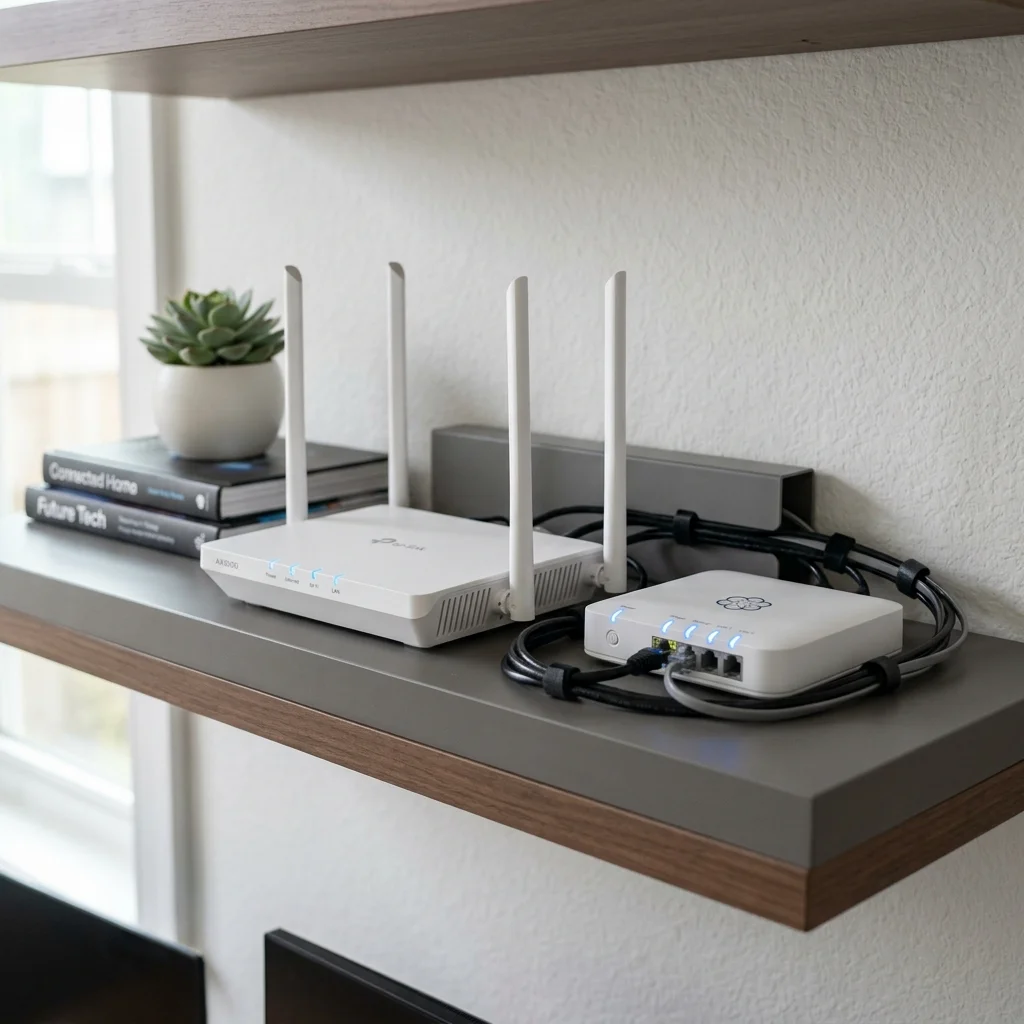
Voice over Internet Protocol. Your calls travel over your existing internet connection through a small box that connects to your router. Cheaper than traditional landlines: $8 to $25 per month is common. A home phone with internet bundle from the same VoIP or telecom provider is often the cheapest overall option. Setup is usually self-install (plug in the box, plug in your phone). Adds features like voicemail-to-email, call blocking, and mobile app integration.
The trade-off: VoIP requires both internet and power to work. During a power outage or internet outage, your home phone doesn't work. Best for: households with reliable internet who want the cheapest home phone service and don't consider emergency reliability the top priority.
Cellular Home Phone (LTE)
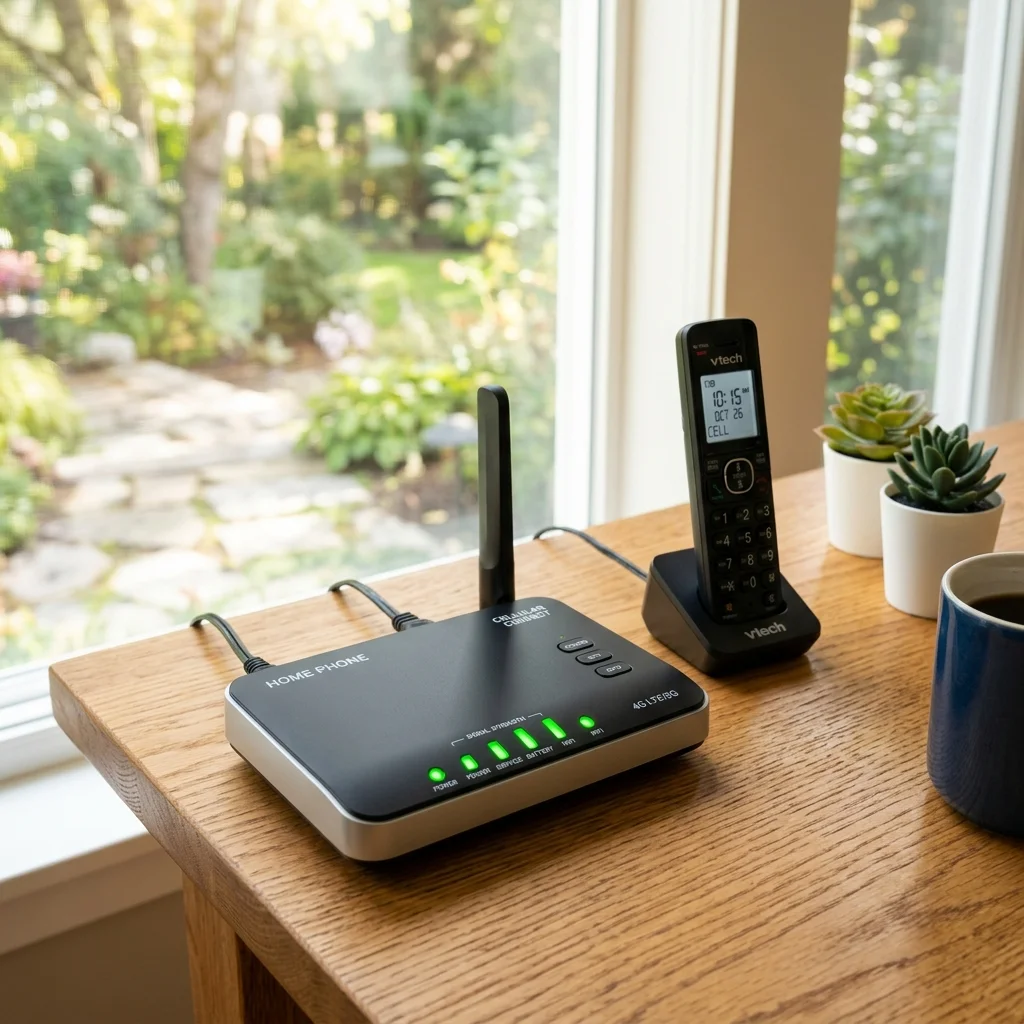
The middle ground. Your home phone connects to a cellular wireless network (like a cell phone) rather than copper or internet. Doesn't need internet service at all. Works during internet outages. Most units include a backup battery lasting some hours during short power outages. Typical pricing: $20 to $25 per month for the plan, plus a one-time device cost of $89 to $130.
Best for: households without home internet, areas where traditional landline service is unavailable, and homeowners who want landline reliability without the highest landline pricing.
Which Home Phone Service Fits Your Home?
Quick decision framework based on what actually matters for your household.
Traditional landline is right if:
you value emergency reliability above cost, you or a family member wears hearing aids, you live in an area with frequent power outages, you don't have reliable internet, or you want the option that has worked the same way for 50 years.
VoIP home phone is right if:
you have reliable high-speed internet, you want the cheapest option, you want modern features like voicemail-to-email or spam call blocking, and you're comfortable accepting that the phone won't work during internet or power outages.
Cellular home phone is right if:
you don't have home internet, traditional landline isn't available at your address, you want reliability during internet outages but at lower cost than a traditional landline, or you want mobility (some cellular home phones work with a companion app on your smartphone).
Features That Actually Matter
What to look for in any home phone plan, whether it's landline, VoIP, or cellular.
Unlimited nationwide calling.
Should be standard on any plan you consider. Long-distance charges per minute are outdated in 2026.
Number porting (keep your existing number).
Most providers support this. Confirm before signing up, and expect the port to take 2-10 business days depending on your current provider.
Call blocking / spam call protection.
Americans receive about 17 spam calls per month on average. Built-in spam call blocking is a genuine quality-of-life feature, especially for seniors who are heavily targeted by scam calls.
Caller ID, voicemail, and call waiting.
Standard features, but check whether they're included in your base plan or cost extra. Some providers charge $5 to $10 per month for these separately.
911 location auto-transmission.
Traditional landlines do this automatically. VoIP and cellular home phones need to be configured with your address, and it's worth verifying setup is complete before an emergency happens.
What Home Phone Service Actually Costs in 2026
Industry pricing ranges, publicly available data. Specific quotes from our provider partners are given during the free consultation.
| Service Type | Monthly Cost Range | Key Notes |
|---|---|---|
| Traditional Landline | $15 to $70+ | Premium features push toward higher end. Availability shrinking. $99 install fee typical. |
| VoIP Home Phone | $8 to $25 | Cheapest option. Self-install typical. Requires internet + power. |
| Cellular Home Phone | $20 to $25 | Plus $89 to $130 one-time device cost. No internet needed. Works during internet outages. |
Federal Lifeline program provides monthly discounts (typically $9.25) for qualifying low-income households on home phone or internet service. Eligibility is based on income or participation in programs like SNAP or Medicaid. Some providers also offer separate senior or veteran discounts on top of Lifeline. We help you check eligibility during the consultation.
Why Choose Home Secure Connect
We help you find the right fit for your home phone needs, comparing leading nationwide providers to save you time and money.
Get a Free QuoteHonest Technology Match
We match you with landline, VoIP, or cellular based on what you actually need, not on which one earns us more.
Multi-Provider Comparison
We work with multiple provider partners across all three technology types, so when you search for home phone service near me, we can compare the options actually available at your address.
Senior-Friendly Setup Support
Number porting, feature setup, and 911 configuration walked through carefully. No rushed handoff.
Real Advisor Available
When something doesn't work or you have questions later, a real person picks up. No automated phone trees.
Frequently Asked Questions
There is no single best home phone service. Traditional landlines are best for emergency reliability and hearing aid users. VoIP is best for lowest monthly cost with reliable internet. Cellular home phone is best for homes without internet or areas without traditional landline. We help match you with the right technology for your situation.
For most seniors, traditional landline still wins on reliability (works during power outages, auto-transmits 911 location, clearer for hearing aids). Cellular home phone is a strong alternative if traditional landline isn't available or costs are a concern. VoIP works if internet reliability isn't an issue for the senior's household.
Yes. Traditional landline service doesn't require internet. Cellular home phones use wireless service (like a cell phone) and don't require internet either. Only VoIP home phones require internet to work.
VoIP home phones typically start around $8 to $25 per month, making them the cheapest option, but they require internet. Cellular home phones at $20 to $25 per month are the cheapest option that doesn't need internet. Traditional landlines start around $15 per month for basic plans.
Traditional landlines usually keep working during power outages because the copper phone line itself carries small amounts of power. VoIP home phones stop working during power outages (they need internet and a powered router). Cellular home phones typically have a backup battery that keeps them working for a few hours during short outages.
Usually yes. Most providers support number porting, letting you transfer your existing number to the new service. The port typically takes 2 to 10 business days depending on your current provider. Verify with the new provider before signing up that they can port your specific number.
Yes. The federal Lifeline program provides a monthly discount (typically $9.25) for eligible low-income households on either phone or internet service, but not both. Eligibility is based on income or participation in programs like SNAP or Medicaid. Some providers also offer separate senior or veteran discounts.
A dedicated home phone service is a separate line for the household. A home phone add-on to a cell phone plan is usually a virtual line that forwards to the cell phone. Dedicated service works like a traditional landline for the whole family. Add-ons are cheaper but usually less feature-rich and depend on the cell phone plan's coverage.
Find the Right Home Phone Service for Your Home
Talk to a real advisor about traditional landline, VoIP, and cellular home phone options. We match you with the right technology for your situation, help you check federal Lifeline eligibility if it applies, and walk you through number porting and setup. Free consultation. No pressure. No fees.
Or call (855) 248-8052. Mon to Sun, 8am to 8pm.